Aliquoting and freeze thaw cycles in peptide research
In one study, protein solutions formed clumps after five freeze thaw cycles.
ReadyPep Research Desk14 min read

In one study, protein solutions formed clumps after five freeze thaw cycles. This matters for peptide work. We focus on aliquoting and freeze thaw cycles in peptide research. This keeps analytical results comparable across time, runs, and sites.
Key takeaways
| Use smaller aliquots | Reduce how many times each portion warms and cools. |
|---|---|
| Control temperature excursions | Transit heat and long thaw periods change stability. |
| Separate purity from content | HPLC purity may shift while total peptide amount stays nearer. |
| Read the certificate of analysis | Focus on identity, purity, pH, and any impurity notes. |
| Keep lot testing and batch records | Tie every analytical run to a specific lot and date. |
| Plan for third party lab testing | Confirm identity and purity using independent methods. |

A certificate of analysis is a report for a specific batch. It lists test results, like HPLC purity and pH levels. To compare peptide suppliers, ask for their published COA libraries. Look for clear impurity data and consistent cold chain shipping records. For more details, see our guide on reading a certificate of analysis. For lab methods and COA access, review ReadyPep lab testing.
What aliquoting does for peptide stability
Aliquoting splits one container into smaller parts. This limits how often each part is thawed, mixed, or handled. Repeated warming causes most instability risks. This is the core idea behind freeze thaw cycles in peptide research.
Peptides like BPC-157 and TB-500, CJC-1295, and ipamorelin are often stored in research workflows that include repeated sampling. If the whole vial or container is thawed each time, freeze thaw handling becomes part of the experiment. That can blur whether a change comes from the biology under study or from the material itself.
We design sample portions to fit how the test is actually used. We also match the portion format to the container type. This matters when comparing pens and vials. It is especially important for repeated sampling and keeping thawing conditions consistent.
Several compounds draw research attention. These include tesamorelin, thymosin alpha-1, GHK-Cu copper peptide, MOTS-c, NAD+ related work, semax, selank, and kisspeptin. The same quality logic applies to all. Reducing freeze thaw cycles per portion helps. This improves consistency in purity and content results.
Freeze thaw cycles and result drift
Freeze-thaw cycles subject peptides to shifting ice, changing solute levels, and new mixing upon thawing. Even if the mixture stays frozen, each warm-up alters its physical shape and chemical stability. For this reason, splitting samples into small portions and managing freeze-thaw cycles are top priorities in peptide research.
Protein data can guide how we handle peptides. In one report, protein solutions clumped after five freeze-thaw cycles. Clumping means fewer molecules stay dissolved as single units. Tests that need intact peptides may then give different results.
Mass spectrometry patterns can shift after repeated warming. In studies looking at peak strength, differences can become clearer after repeated thaws. This suggests that thaw history affects how identity and relative abundance appear in the data.
Keeping items frozen for a long time is often better than freezing and thawing them repeatedly. Research focused on biobanks compared storage at -70 °C with the damage from repeated cycles. The cycling caused more change than just keeping them frozen.
Pre-filled peptide pens versus vials
Container design helps projects that need frequent sampling. It cuts down on freeze-thaw cycles and handling steps. Pre-filled multi-dose peptide pens deliver fixed amounts of research material. You do not need to open the full container each time. This prevents the whole batch from mixing with air, dust, or heat during each sample.
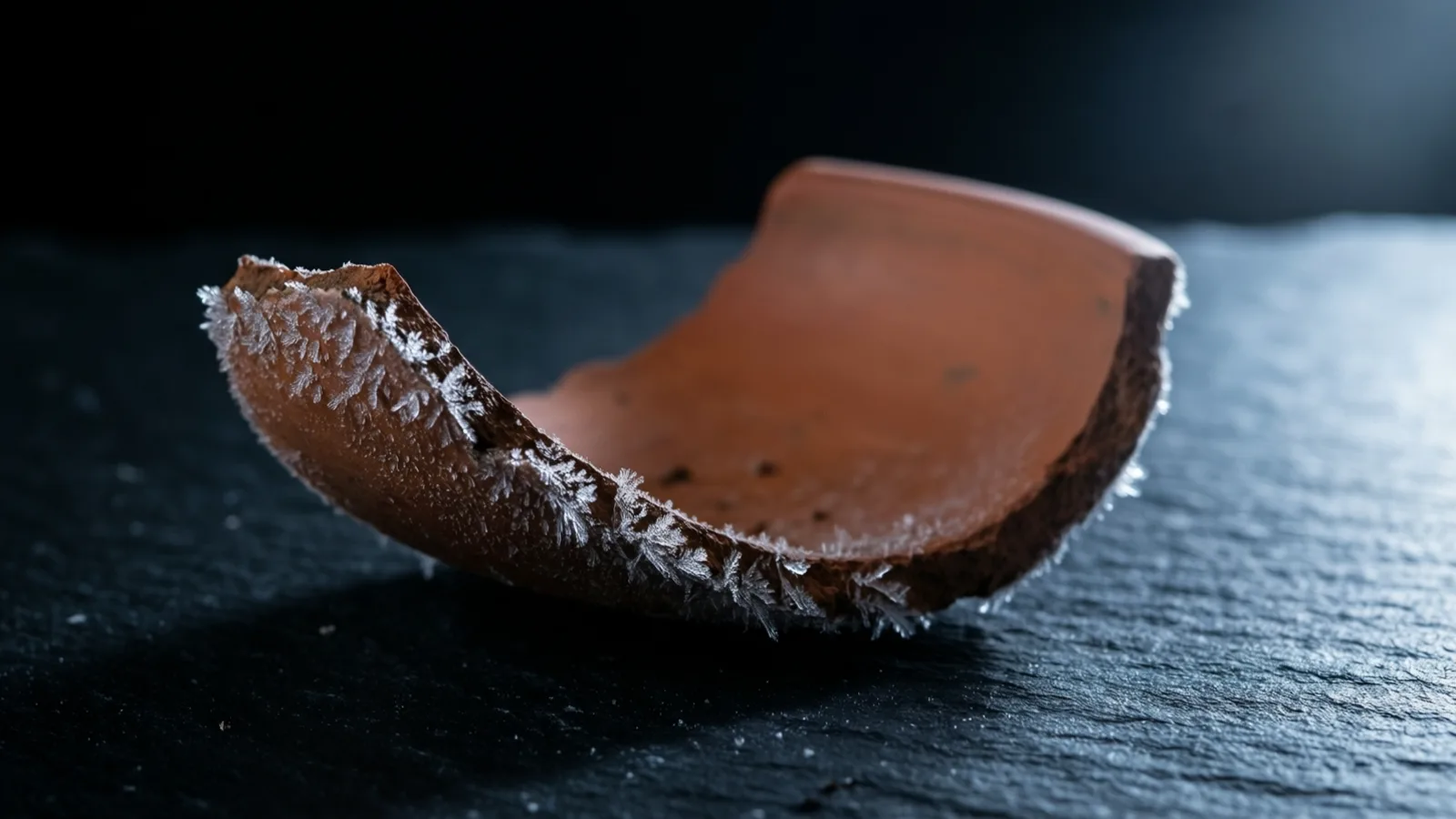
Pre-filled peptide pens help keep samples consistent. This matters when labs split samples and freeze them. We think the main difference between pens and vials is not the packaging. It is whether you must thaw and reopen the whole batch. You do this every time you need a small amount.
Pen systems also cut down on transfers. This reduces surface contact time and pipetting differences. Both factors can impact stability during reconstitution and lab handling.
We must verify purity and content with independent tests for joint, gut, and skin projects. Choosing the right container reduces freeze-thaw cycles. But, it does not replace lab confirmation.
Lyophilised peptide storage and start conditions
Many peptides are supplied as dry powder. Labs add liquid before analysis. The starting state matters. Repeated warming can trigger reactions after you add the liquid. Even if part of it freezes again, time passes after reconstitution. During this time, the peptide may dissolve, oxidize, or stick to surfaces.
In peptide research, we view mixing and lab handling as part of the stability process. The time between mixing, using the first portion, and freezing can affect the impurity profile.
We view storage as a key factor. Cold chain shipping and storage temperature affect peptide stability and shelf life. A single temperature change during transit creates a different baseline than a shipment that stays within the intended range.
We connect handling rules to incoming papers. We check batch results like HPLC purity, pH, and impurity notes. We also match lot tests and batch records to the receiving date.
Separating purity from content
Freeze-thaw stress alters chemical makeup and physical behavior. We use analytical methods to answer two distinct questions. First, does the main peak remain? Second, does the total amount change?
HPLC purity testing supports impurity profiling by separating components and estimating relative purity. It is useful, but it does not always tell the full story about total peptide content. For that, we often pair chromatography with an identity method.
Mass spectrometry checks if the expected molecules are there. It also tracks how strong the signals are. Studies note these changes can become clearer after repeated thawing.
We use purity and content to guide decisions. If HPLC purity falls but content stays high, the main peptide is likely still there. But, it may have more related impurities. If identity signals change, freeze thaw cycles may have altered the peptide. This can affect how we test and interpret results.
We use our own guide to read a certificate of analysis (COA). It explains how to interpret chromatogram sections and pH or other stability fields.
Certificate of analysis and impurity profiling
A certificate of analysis covers a specific batch. It connects test results to the product's identity and quality. In our process, this document is not a general claim. It proves which tests were run and what the results showed.

We expect end-to-end quality checks that include third party lab testing and release testing. Where provided, COAs should include HPLC purity testing details, and identity confirmation evidence suitable for mass spectrometry identity confirmation.
We also check impurity reports from labs. These impurities may come from the making process, breakdown over time, or changes during handling. In stability tests, freezing and thawing can increase the share of peaks linked to breakdown.
We document lot testing and batch records when items arrive. We note which lot entered each project day. We also track which lot fed each analytical run. This makes it easier to check the freeze history if results seem inconsistent.
Endotoxin and sterility testing
Researchers studying cell growth and tissue repair need more than just pure materials. They require proof that endotoxins (bacterial toxins) and sterility tests were passed. This helps ensure biological effects do not come from contaminants. Freeze thaw cycles can alter how substances stick to surfaces. This matters for handling sterile items and recovery tests.
We view sterility and endotoxin results as core parts of freeze control. They are not an afterthought. A product that fails sterility tests makes stability analysis difficult. Even if it passes, we track freeze and thaw conditions. This keeps impurity data clear.
Linking this to tissue repair and post-training recovery research, we look at experimental endpoints that react to sample quality. Joint and gut repair studies may also depend on peptide integrity. Skin assays can be sensitive to how consistent the formulation and handling are.
We match our workflow records to research-only rules. This ensures we handle data and usage correctly.
Cold chain shipping and customs risk
Cold chain shipping links early handling to later stability. Even if lab staff handle samples carefully, warming during transit can start breakdown before the first use. This changes the starting point for how long peptides stay stable and usable.
We track temperature changes during shipping. We do this through packaging design, monitoring, and dispatch handling. For a simple guide, see cold chain in transit. We also use shipping documents to help decide on lot testing.
Customs and import handling cause timing changes and temperature risks. Delays lengthen transit time. This raises the chance of temperature drift. We require clear dispatch and packaging details. We match these details with storage plans for arrival.
Check the shipping and dispatch details for clear terms. For broader policy context, look at peptide products and research use coverage. Focus only on how different formats are supplied.
How we test freeze-thaw exposure
Stability tests compare a fresh reference to samples that went through controlled thawing. Everything else must stay the same. This includes the container type, reconstitution steps, lab handling, and analytical methods for each group.

Published stability studies have checked how many analytes (substances being measured) hold up after repeated freezing and thawing. The setup helped show which types stayed stable and which changed faster.
Most tested substances stayed stable through four freeze-thaw cycles. This matches fresh samples. The result supports a specific design choice. Researchers split peptides into smaller portions. They aim to thaw each portion fewer times.
We also look at the test temperature. In that stability setup, -80 °C was used to check repeated freezing effects under biobank-like conditions. The main point is to keep peptide work in line with a consistent deep-freeze plan.
In peptide research for cognition, memory, and mood using semax, selank, and kisspeptin, we do not view thaw count as a minor lab detail. We see it as a controllable variable. This variable can change analytical results.
Growth hormone axis research and energy pathway assays
Researchers study peptides like ipamorelin and tesamorelin for their role in growth hormone signaling. When tests measure specific markers, the sample quality is crucial. If a peptide's structure changes, the test results can be wrong. So, we strictly control how we store samples. We limit how many times we freeze and thaw them. This is a standard step in any study of these pathways.
Research on cell energy and mitochondria often uses MOTS-c and NAD+. Comparing normal and treated samples can be tricky. Sample changes might look like real biological effects. This happens due to measurement drift. We include stability controls in our design to prevent this.
We apply the same stability controls to peptides used in immune studies. These tests are sensitive to impurities and changes in the sample's composition. So, we need proof of endotoxin and sterility testing, besides stability data.
When studying how tissues heal after exercise, researchers look at inflammation and tissue changes. We handle samples the same way every time. This ensures any results come from the peptide, not from freezing errors.
Comparing peptide suppliers using stability documentation
Check suppliers for proof they handle peptide storage correctly. This means splitting samples into small portions and freezing them. We look for records tied to each batch. These records must link to testing methods and quality standards.
First, check if they publish a COA library and use independent testing. For our approach, see certifications, COA documentation, and lab testing details. Next, verify the documentation lists method types for HPLC purity testing and mass spectrometry identity confirmation.
Check that batch records support lot testing. These records must show when tests ran and which lot they belong to. They also need to link results to release standards. To understand the full process, review how ReadyPep works.
Check if the supplier explains how they keep items cold during shipping. This helps prevent temperature changes. For policy details, read the research workflow FAQ. For wider context, use why ReadyPep.
If a supplier ships different formats, the paperwork must list them. For studies needing repeated samples, pre-filled peptide pens can help. This reduces how often researchers must thaw the whole amount.
Keeping freeze history consistent across runs
Some labs use peptide stacks and protocols that combine multiple peptides in one experimental plan. Even if the biological hypothesis is pathway-based, freeze history still acts at the sample level. If one component sees more thaw cycles than another, cross-peptide comparisons can be misleading.
We suggest planning your peptide set so each one follows the same storage rules. This means using the same timing for storage after mixing and the same schedule for testing. This matters most when combining growth-related peptides like CJC-1295 and ipamorelin with repair-focused ones like BPC-157 and thymosin alpha-1.
Labs test many things. They check brain signals for semax and selank. They look at energy markers for MOTS-c and NAD+. They also measure repair results for GHK-Cu copper peptide and BPC-157. Because of this, stability checks are a basic requirement for everyone. We keep our records strict. We use lot testing and batch records. We also use consistent analytical methods.
See pre-filled pens versus vials to understand how these systems differ from vials. In peptide research, the container format affects how often the material warms during freeze thaw cycles.
Research-use compliance and chain-of-custody
Quality systems go beyond test results. They also track how samples move through the lab. We view research-use labels as a paperwork rule, not just a tag.
We keep our records clear to match research use only rules. We share policy pages so you can track orders, batches, and handling. See the research use only compliance and site policy at ReadyPep.
Chain-of-custody records help when a study runs over several days or locations. They allow teams to connect any change in results to a specific batch. They also link it to the freeze-thaw history of each sample portion.
Build fewer thaw events into the design
Aliquoting and freeze-thaw cycles matter in peptide research. They cause measurable problems. These include aggregation risk and analytical drift. They also change results in HPLC purity testing, mass spectrometry identity confirmation, and impurity profiling.
We manage the entire stability process as one system. This covers storing and preparing lyophilized (freeze-dried) peptides, handling them in the lab, and shipping them cold. We also monitor temperature risks during transit. Finally, we test each lot and keep batch records. These are backed by a certificate of analysis and third-party lab testing. With this setup, peptide stacks for tissue repair, post-training recovery, cellular energy, and mitochondrial function stay stable. This also applies to growth hormone axis research, cognition and mood work, immune modulation, joint and gut repair, and skin studies. All remain anchored to stable starting material.
Related reading
Common questions
- How many freeze thaw cycles are acceptable?
- Stability tests show many analytes stay stable through four freeze-thaw cycles. However, some samples change sooner. We split peptides into small portions. This limits how often each part thaws. Each portion sees fewer cycles than the tested limit.
- Does aliquoting improve results?
- Splitting a sample into smaller parts changes how many times each part is heated. This affects the sample's quality. It can also change test results. These include HPLC purity tests and mass spectrometry checks.
- Purity versus content in peptide COAs
- HPLC purity testing checks how much of the main substance is present compared to other parts. Content measures how much of the target peptide is left. This may need specific methods to interpret during sample splitting and freeze-thaw cycles.
- Reading a certificate of analysis
- We treat a certificate of analysis as proof for a specific batch, not general comfort. We look at HPLC purity details, pH values if listed, and notes on impurities. Then we match those results to the records for the exact portion used.
- Pre-filled peptide pens versus vials
- Pre-filled peptide pens limit how often a full batch is opened and thawed. This helps control portioning and freeze-thaw cycles in research. Vials also work well. However, they usually need more opening and mixing when small amounts are taken repeatedly.
- Cold chain shipping and temperature excursion
- Cold chain shipping keeps the product at the right temperature before the lab thaws it. If the temperature changes during shipping, the product's stability may shift. This can alter what the certificate of analysis and third party lab testing say about the lot's starting condition.