Multi-dose research pens: what they are and how to vet them
Multi-dose research pens hold several measured doses in one sealed unit. Here is what they are, and the checks that tell a good one from a poor one.
ReadyPep Research Desk14 min read

Multi-dose pens are becoming a common way to handle peptides in a lab. If you choose one, you get more than a tool. You get steady, trackable, and repeatable ways to handle peptides. These are often studied for cell energy, tissue repair, immunity, brain function, and skin.
Key takeaways
| What you are buying | What to check | Where it shows up |
|---|---|---|
| A pre-filled multi-dose research pen, designed to reduce mixing and measuring variability. | HPLC purity testing and mass spectrometry identity confirmation. | lab testing and linked certificates. |
| Pen workflow and cartridge capacity, which affects repeatability and waste. | Pen capacity and device configuration. | Shipping and product pages, plus device specs. |
| Temperature control across transit, which protects peptides before lab use. | temperature excursion in transit coverage and packing description. | shipping, and transit notes. |
| Supplier traceability for the exact material you receive. | lot testing and batch records, plus independent lab reports. | certifications and linked CoAs. |
| A clear research-use boundary and documentation. | research use only compliance terms and how pens are supplied. | Policy page and packing documentation. |
| A repeatable purchasing path. | How reconstitution and laboratory handling are expected to work with pens. | how ReadyPep works. |
- Multi-dose research pen workflow is mainly about precision and handling consistency, not "more compound per dose."
- Pre-filled peptide pens reduce measuring steps that can introduce error in lab setups.
- Good suppliers publish certificate of analysis elements and explain them, including purity versus content and why both matter.
- Independent laboratory verification should align with your lot.
- Pen devices still require good lab practice for storage, reconstitution and laboratory handling, and documentation of what you received.
What multi-dose peptide pens are
A multi-dose research pen is a tool pre-filled with a peptide (a small protein) for repeated, small doses. The main difference for the buyer is the process. You do not have to handle lyophilised (freeze-dried) peptides or measure powder into a liquid. Instead, the pen gives a steady, repeatable dose to reduce mixing and measuring errors.
This is important because buyers use peptides to study cell energy, tissue repair, the immune system, and brain function. Data on these effects is only reliable if the compound is handled carefully before testing. Pen devices are growing in popularity in 2026. Their design reduces common errors that cause different results between labs. They also help track the product better, especially when a supplier links the certificate of analysis (a document proving purity) to your specific lot.
ReadyPep handles the making, testing, and shipping of its products. They provide lab tests and documents for every item. You can view their internal workflow and their rules for research use only compliance.
Why buyers care about precision
Choosing between pens and vials is about workflow, not science. Vials often need careful storage of lyophilised peptides. A lab has to reconstitute them and use lab tools to measure each aliquot. Pens are simpler because they hold the liquid and dispense it in controlled amounts.
Mixing and storing peptides can be difficult. If a peptide stays in temporary liquids or changes temperature often, the results may vary. This affects measurements like cell energy readouts, tissue repair markers, immune cell data, or skin collagen tests. The device cannot fix bad lab habits, but it removes one source of avoidable error.
ReadyPep shows its delivery process through its product format, the pre-filled multi-dose research pen. For more on shipping risks, read the companion article. It explains what happens to a peptide during cold chain shipping (temperature-controlled transport) and temperature excursion (when a product gets too warm or cold) in transit.
Tissue repair, recovery, and immune modulation
People who ask about recovery usually mean two things. First, they mean the repair of muscles, joints, and tendons. This includes markers for collagen (a protein that builds connective tissue). Second, they mean how the body handles inflammation. It is also about how the body fixes damaged tissue.

The ReadyPep catalogue includes BPC-157, TB-500, and GHK-Cu (a copper peptide that signals connective tissue). ReadyPep sells BPC-157 and TB-500 together for repair. They sell GHK-Cu to support collagen and fibroblasts (cells that make connective tissue). Many buyers use these three items to research tissue repair and recovery after training.
People looking to fix joints and the gut often seek peptides that help rebuild tissue, protect barriers, and manage immune signals. Researchers track these results using markers for inflammation, tissue structure, and gut health. While the studies differ by peptide, the goals remain the same. BPC-157 and TB-500 are used for tissue repair. GHK-Cu is used for signaling in fibroblasts and collagen. This is why these compounds are often grouped together in repair kits.
Recovery and inflammation are closely linked in research. Peptides used to fix tissue are often tested with immune markers. This is because the healing phase depends on inflammation signals. When comparing suppliers, the main point is not that one understands your biology. Instead, the supplier must provide lot-linked records and stability tests. This ensures your immune results match a known identity and purity profile.
Growth hormone axis and pulse research
Many people start with growth hormone because it is tied to healing, recovery, and energy. Research often mentions a rhythm in how the body releases this hormone. This is why some compounds aim to support the natural patterns of the pituitary (a small gland at the base of the brain).
ReadyPep sells tesamorelin, ipamorelin, and CJC-1295. Tesamorelin is a growth hormone releasing hormone analogue (a synthetic version of a natural hormone). Ipamorelin is a growth hormone secretagogue (a substance that triggers hormone release) used in the Pulse Protocol. CJC-1295 comes in a No DAC option and supports pituitary pulses in research.
Buyers want to know how these compounds lead to real results. Research on growth hormones often tracks tissue markers and hormone release patterns. It also looks at insulin-like growth factor pathways and how the body recovers after training. ReadyPep builds its Pulse kit on this research logic rather than one single goal.
When picking pre-filled peptide pens for growth hormone work, check the quality of the paperwork. You should see a certificate of analysis that lists purity and content separately. It must also confirm the identity of the substance. These records help you decide if a batch is trustworthy. ReadyPep provides lab testing data and explains their supplier methods in the why ReadyPep section.
Semax, selank, and related mind stacks
People looking to improve memory, mood, and thinking often seek peptides that affect brain chemicals, stress, or nerve growth. The ReadyPep catalog lists selank, semax, and NAD+ (a molecule that helps cells make energy) for these goals.
In 2026, buyers often call semax and selank neuroactive peptides. This is why they are put in the mind protocol group. People usually look for results in attention and executive function tests. They also check memory tasks, mood surveys in humans, and markers for neuroinflammation (brain swelling) or neuroplasticity (the brain's ability to change) in early research. Buyers should know that brain studies are sensitive to how batches are handled. This is true when comparing results between different groups.
This is why NAD+ is often grouped with peptides for brain health. Research describes NAD+ as a helper for cell energy and metabolism. It affects how the body uses energy and recovers, which can then influence behavior and thinking.
GHK-Cu, thymosin alpha-1, and glow stack peptides
People buying skin products usually want items that help skin cells signal each other. They look for things that rebuild collagen, heal wounds, or manage the skin's immune system. ReadyPep sells GHK-Cu copper peptide and thymosin alpha-1. They also offer a glow stack, which is a kit that supports skin and tissue.

GHK-Cu is a copper-complex peptide used for skin and connective tissue support. It helps with collagen and cell signaling. Thymosin alpha-1 is a peptide used for the immune system. Because of this, some people use it alongside skin treatments.
When buyers ask about skin endpoints (the final results measured in a study), they usually mean collagen markers, skin thickness, or elasticity. They may also look at inflammation markers and how fast wounds heal. If you do this research, you need batch records and testing from a third party lab. This is important because skin and connective tissue results can change if the product is impure or the wrong identity.
Buyers often ask how pens reduce mistakes during use. Skin results depend on how consistently the peptide is delivered into the assay (a test to measure a substance). A pen helps make the dispensing step the same every time. It does not replace storage rules like lyophilised peptide storage. It also does not remove the need to record the lot number. This is about precision, not a marketing slogan.
Peptide pens and device accuracy
People often search for a "dial an aliquot dosing pen" because they want each dose to be the same. Pen designs vary. Some come pre-filled with a mix that uses a calibrated tool to keep doses consistent. The main question is if the device gives the same amount every time. Buyers also want clear papers showing what is inside the pen.
ReadyPep sells pre-filled multi-dose peptide pens for research. They also compare these pens to vials. For the buyer, these devices help by reducing interruptions. Swapping vials or handling lyophilised peptides between uses can cause errors, even if the peptide is pure.
Choose between pens and vials based on your needs. A dosing pen (a tool to measure small amounts) can make things easier by reducing measuring steps. You still need documents from the supplier about how long the peptide stays stable. You also still need proper lab habits for mixing and handling the materials.
Analytical methods buyers should expect
This is how you measure supplier quality. Buyers should look for clear facts about testing methods instead of ads. In peptide supply, you need to know the identity and the amount. Identity means you have the right compound. Quantification (the process of measuring amount) means the content is correct. Purity means there are few impurities. Different tools measure each of these.
When picking a pen supplier, check if they use HPLC (a test to check purity). They should provide a report or a trace showing the results. Look for mass spectrometry (a test to confirm the identity) to ensure you have the right compound. Also, check the difference between purity and content. High purity does not always mean the amount matches the label if the reporting method is different.
ReadyPep explains how to read a certificate of analysis. Buyers should check if the paper names the peptide and shows results for that specific lot. It must include identity and purity details. It should also mention safety tests, like endotoxin (toxins from bacteria) and sterility testing, if the lab does them. The main question is not if a certificate exists. Instead, ask if you can read it and if it matches the lot you bought.
Use "lab testing" for the direct testing page. Use "certifications" for the general certification section. This is where you confirm that the tests come from an independent lab rather than just internal documents.
Traceable certificates and lab testing records
A certificate of analysis only helps if it matches your specific order. Buyers should check for lot numbers. They should also ensure the supplier provides batch records for the material you will use. This is why it is important for certificates to be linked to each lot. For example, the ReadyPep page for GHK-Cu 50mg says that lab certificates are linked for each lot.
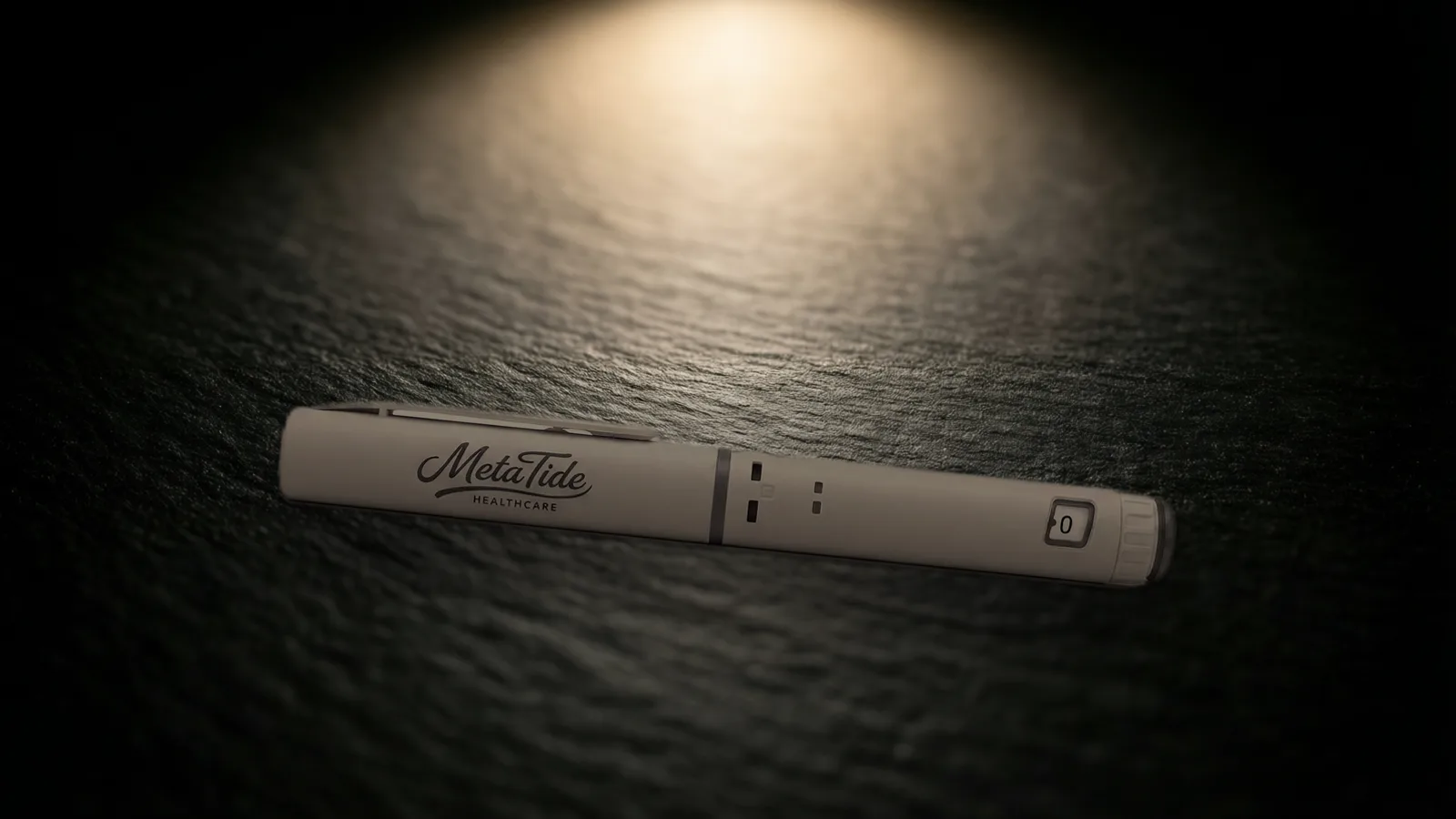
When reading a certificate in 2026, do not just look at the purity number. Check how the company confirmed the identity of the substance and which method it used for quantification. Then, look for safety details. Your research may not need the same sterile handling as clinical work. But, a supplier that tests for endotoxins and sterility shows better quality control.
ReadyPep links the "how to read" concept to the blog post on reading a certificate of analysis and the lab testing overview. This is the best place to start if you want to compare suppliers without guessing. It puts all supplier comparisons into the same categories.
Storage, shipping, handling and stability
Pen devices do not change how peptides behave. Many of these substances are sensitive to heat and handling. Because of this, buyers in 2026 focus on cold chain shipping and how the supplier manages risks during delivery.
ReadyPep has articles about cold chain (temperature controlled) shipping and how they pack items to prevent heat damage. Read the shipping page for the supplier's view. For a simple explanation of what happens to a peptide during delivery, read the other article.
Once the pens arrive, a lab still has to manage how they are handled. This includes keeping them at the right temperature and recording how they were unpacked. Any reconstitution or laboratory handling steps still apply. Results only mean something when those steps are controlled. A pen may make prep easier, but the material still has to be stored, labeled, and documented.
Lyophilised peptide storage is similar to how you handle vials. Using pens changes the process, but stability still matters. Ask your suppliers about shelf life and how they handle shipping and storage. You can also read how ReadyPep describes its process and packaging.
Shipping, customs and comparing peptide suppliers
In 2026, every buyer of research materials must plan for customs and import handling. Buyers often want to know what happens at borders. They need to know how documents are sent and how long shipping takes. This is why international shipping is as important as analytical quality.
ReadyPep has a set process for shipping. Use the research use only terms for supply and compliance. When comparing suppliers, find one that gives consistent answers about identity, purity, lot traceability, and cold chain. They should not change their answers when moving from chemistry to logistics.
If you want to compare peptide suppliers, use this simple checklist. Check the certificates of analysis for each lot. Look at the testing methods, such as HPLC, chromatographic reports, and mass spectrometry. See if the supplier provides batch records and testing data for each lot. Check if they use cold chain shipping and how they handle temperature changes during delivery. Finally, ensure they have clear rules for international shipping and customs.
Common questions about multi-dose peptide pens
Conclusion
Multi-dose Peptide Pens are tools used to make research more precise. They reduce mistakes during handling and make it easier to track samples. Researchers use these pens in 2026 for steady dosing and reliable cold storage. This helps them better test cell energy markers, tissue repair, and recovery after training. They also use them to study growth hormones, mood, cognition, and the immune system. These pens also help track joint, gut, and skin health with better control over each batch.
To compare suppliers, look at their detailed records and how they track each batch. Confirm they use HPLC, chromatography traces, and mass spectrometry. Check the purity against the actual content on the certificate of analysis. Ensure they provide batch records and tests for sterility and endotoxins. Finally, check that their cold shipping methods work for international delivery, including customs.
Related reading
Common questions
- Are peptide pens more consistent than vials?
- They can be, because pre-filled peptide pens remove the need to mix and measure each time. This reduces mistakes. Your results depend on the device, how the supplier makes the product, and how your lab stores and handles it after delivery.
- What is the difference between purity and content on a certificate of analysis?
- Purity is how much of a sample is the target compound. Content is how much of that compound is in the labeled amount. Good reports separate HPLC (a tool to separate and analyze chemicals) purity tests from content details. This helps you understand both the purity and the strength.
- How to verify peptide identity via mass spectrometry?
- Check for sections that show how the product was identified. This is often done with mass spectrometry (a way to identify chemicals) and reports for your specific lot. Then, make sure the certificate includes records for the batch you received.
- What should you check about cold chain shipping for research pens?
- Check how the supplier ships items that must stay cold. See how they handle it if the temperature changes during delivery. Review their shipping details to understand how they manage these risks.
- Do BPC-157 and TB-500 stacks aid joint recovery?
- These are often used to study how tissues heal and recover after exercise. Researchers look at how connective tissue changes. Sellers often pair BPC-157 and TB-500 with GHK-Cu (a copper peptide) to support collagen and fibroblasts (cells that make connective tissue).