Episode 28
Semax Memory Research: the Thumb-Sized Region
Inside the brain is a thumb-sized region where every memory lives: the hippocampus. Amyloid plaques, BDNF, and what neuro-research peptides are being studied for.
Now playing · Episode 28
Semax Memory Research: the Thumb-Sized Region
Transcript
- Inside the brain, there is a region the size of a thumb
- where every memory lives.
- In dementia, it slowly stops holding on.
- Here's what it feels like.
- You search for a word that should be there and it is not.
- You walk into a room and forget what you came for.
- You meet someone you have known for years and your brain
- cannot find their name.
- You read a paragraph and start over.
- You misplace something familiar and cannot retrace your
- steps.
- Conversations get harder.
- Faces stay the same, but the names slip away.
- Here is what is happening underneath.
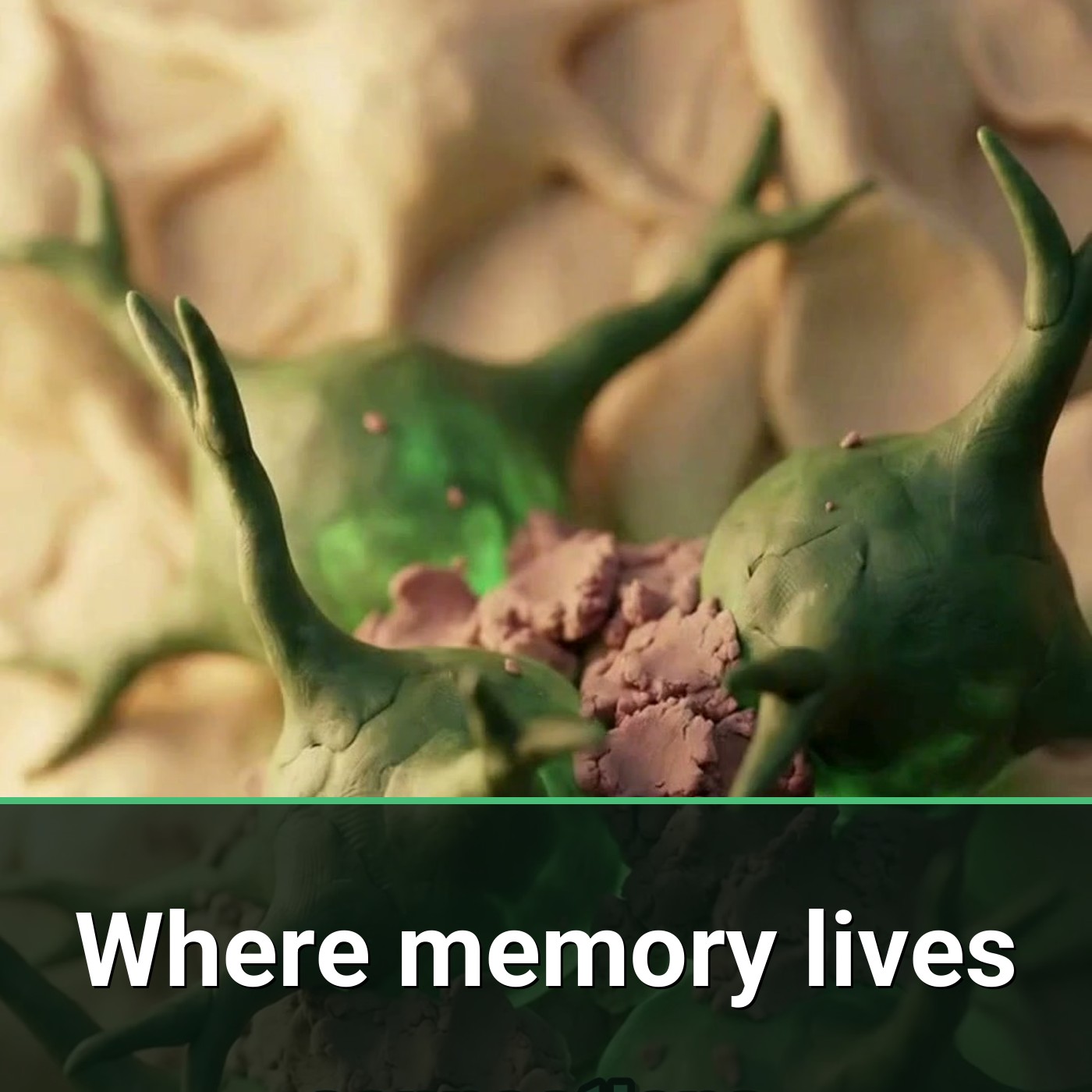
- Deep in your brain, there is a region called the hippocamp
- us.
- It is where you store new memories and pull them back when
- you need them.
- In dementia, the neurons in the hippocampus start to lose
- connections.
- Sticky proteins called amyloid plaques build up between the
- cells.
- A growth signal called BDNF slowly drops.
- The bridges between memories start to fail.
- One peptide can support this.
- CMAX is a small protective peptide built for the brain.
- It crosses the blood-brain barrier and reaches the hippoc
- ampus directly.
- It boosts BDNF, the growth factor your brain uses to keep
- neurons strong and form new memory connections.
- The neurons dementia hits first are exactly the ones CMAX
- was designed to support.
- When BDNF is back where it should be, the system gets help
- where it needs it most.
- Names can come back faster.
- Words return sooner.
- Faces feel familiar again.
- Conversations get easier to follow.
- Mornings feel less disoriented, which means more
- independence.
- Stronger connection to the people around you.
- Less fear about forgetting.
- More years of being yourself.