BPC-157 and the gut: what the studies actually measured
BPC-157 gut research is preclinical. Here is what those studies actually measured, and how to read a lot record before relying on one.
ReadyPep Research Desk17 min read

BPC-157 gut repair work is preclinical, and the records describe how ulcer healing was measured rather than a single headline number. This page focuses on what BPC-157 is researched for in gut tissue repair, how inflammation and barrier signaling connect to gut health, what evidence says about recovery and inflammatory control, and how to compare products using COAs, lot records, and independent testing in 2026.
Key takeaways
| Topic | What the research measures | Buyer check in 2026 |
|---|---|---|
| Gut barrier repair | Intestinal permeability changes in colitis models. | Look for lot-specific COAs and pH and purity reports from an independent lab. |
| Ulcer healing | Gastric ulcer lesion outcomes in animal studies. | Compare suppliers by verified identity and content, not marketing summaries. |
| Inflammation and immune modulation | Cytokine and injury markers tracked in disease models. | Ask what endpoints their COAs verify, such as HPLC purity and mass spectrometry identity. |
| Recovery signaling | Tissue repair endpoints, often including histology and repair markers. | Use lot traceability and keep batch records for consistency checks. |
| Product format certainty | Research uses defined dosing in controlled conditions. | Prefer pre-filled, dial-an-aliquot multi-dose pens when available, and verify documentation. |
| How to start comparing | Evidence is strongest when identity and content are confirmed. | Use our COA library and third-party testing as a baseline for evaluation. |
| Common buyer questions we answer in this article: what BPC-157 gut repair research targets, which endpoints studies actually measured, and how to read COAs and compare suppliers. |

- What is BPC-157. A synthetic peptide investigated in preclinical tissue-repair models, with a research focus that includes gastrointestinal injury.
- What BPC-157 gut repair research measures. Outcomes like gastric ulcer healing, intestinal barrier integrity, and inflammation-related endpoints in animal models.
- What to verify in a product. HPLC purity, mass spectrometry identity, content versus purity, and lot-specific documentation.
- Why formats matter. Pre-filled pens can reduce handling variance compared with open vials, which matters when comparing lots.
- What 2026 buyers do differently. Independent testing access, open COA PDFs by lot, and cold-chain and handling details are becoming standard checks.
What BPC-157 gut repair research studies
BPC-157 is a synthetic peptide (a short chain of amino acids) used to study how tissues heal after an injury. In the gut, research focuses on fixing the damaged lining and keeping it strong.
BPC-157 works by affecting signals that help tissues, cells, and blood vessels heal. For buyers, it is important to know that studies usually look at tissue health (histological improvement), injury scores, and barrier function rather than just gut comfort.
In the published summaries that compile preclinical findings, reported lesion-healing improvements in gastric ulcer models and reductions in intestinal permeability under colitis conditions are often highlighted. Summaries in this topic cluster describe improvement in gastrointestinal tissue repair with BPC-157 compared with control groups, measured over a short window.
BPC-157 gut repair research usually uses these endpoints (specific goals used to measure a result). This means the tests track tissue damage and barrier function instead of how a person feels. Look for these same measures when checking product claims. This is where the real evidence is.
Inflammation and wider recovery endpoints in gut research
Gut function is not isolated from the rest of the body. Tissue markers can shift when inflammation changes or when the intestinal barrier is compromised.
Research on BPC-157 (a healing peptide) goes beyond the stomach and intestines. Studies often look at how the whole body recovers. Inflammation markers are one of the endpoints these studies track.
For a buyer in 2026, it helps to ask two separate questions. First, what goals does research measure when using BPC-157 to fix gut injuries. Second, what markers are checked for the other compounds in a multi-compound plan sold with BPC-157. These plans may include other peptides studied for cell energy or growth hormone signals.
Some of our multi-compound plans use more than just BPC-157. They include parts for growth and tissue repair. For example, the Helix Protocol helps rebuild and defend the body. It uses BPC-157 and TB-500. It also includes items that support collagen, elastin, and mitochondrial energy (the power source for cells). These work like growth factors. These components matter even if you only care about the gut. This is because the gut is part of the endocrine (hormone) and inflammatory systems.
Tissue repair and recovery endpoints in literature
Research on BPC-157 for gut repair focuses on how damaged tissue heals. It tracks if the injury goes away. In many early studies, researchers measure the size of lesions (sores). They use histology (the study of tissue under a microscope) to see if the lining is repairing. They also look for markers that show inflammation or injury.
Buyers often ask what "repair" means in a measurable way. The simplest answer is that it means the tissue has improved. When the research team reports recovery, they usually use animal model scoring and microscopy (using a microscope to see small details) instead of a single report on gut symptoms.
This focus on repair relates to how the body recovers after training. People often group muscle or tendon repair with the control of systemic inflammation (swelling throughout the body). BPC-157 has been studied for tissue repair, including injuries in the gut.
Buyers should be careful not to assume a product works for everything. If a listing claims broad recovery benefits, ask for proof that it specifically repairs gut tissue. The gut lining and barrier are unique. Only evidence of gut repair should support claims about the gut.
Our Repair Protocol is for rebuilding old injuries. It targets the gut lining as well as tendons and ligaments. Buyers should check if the marketing matches the results of BPC-157 gut research, such as mucosal (the lining of a body cavity) and barrier repair.
The growth hormone axis and gut repair
Growth hormone and gut health are linked by inflammation, how cells replace themselves, and energy use. When growth signals change, the body's ability to fix tissue can shift. This affects how a damaged gut barrier heals.

Research on BPC-157 focuses on how it signals the body to fix gut injuries. But, people buying peptide stacks (groups of combined compounds) in 2026 often use BPC-157 with compounds that relate to growth hormone.
Our site shows this pattern in products like Pulse Protocol and Repair Protocol, which pair compounds that are studied together.
This does not prove that growth-axis parts help the gut like BPC-157 does in specific studies. But, it explains why buyers ask about growth signals and recovery alongside gut repair. In 2026, many buyers want a full body view. They still need specific gut results when they ask for BPC-157 gut repair research.
To check claims about growth, you need proof of the final result. If a plan claims to fix the gut, the best evidence comes from markers of gut injury and barrier health. It is not enough to show changes in growth hormone measured in other ways.
Cognition, memory, mood and gut repair
People searching for BPC-157 gut repair research often ask about memory, mood, and thinking. This is because gut inflammation and a broken gut barrier (the lining that keeps waste out of the blood) can affect the whole body. In animal studies, this can change how the brain works.
Researchers mostly study BPC-157 by looking at how it heals the gut. But, some papers link this repair process to signals that travel through the body. These signals may affect stress responses and neuroinflammation (inflammation in the brain).
Buyers should keep the evidence clear. If you are checking a claim about gut repair, look for results like ulcer healing, barrier integrity, and inflammation markers in disease models. If you want claims about mood or memory, you need separate proof that measured cognitive (mental) or behavioral results.
This is why combining peptides can be confusing. These plans often mix different substances that have different levels of proof. In 2026, buyers should ask which compound affects which specific result. They should not assume that fixing the gut automatically improves mood and thinking.
How immune, joint, and gut repair overlap
Research on BPC-157 for gut repair is part of a larger study on how the body heals. This includes how the immune system works and how tissues in places like joints repair themselves. Both gut and joint healing rely on the same systems that handle inflammation and injury.
In early tests on animals, researchers often track signs of swelling, how immune cells act, and how tissue heals. The specific markers change, but the basic idea stays the same. This means gut injuries and other types of damage can be studied using similar biological processes.
This is why people often search for joint and gut health at the same time. If a peptide helps repair different tissues, a buyer may look for separate proof that it works for both the joints and the gut.
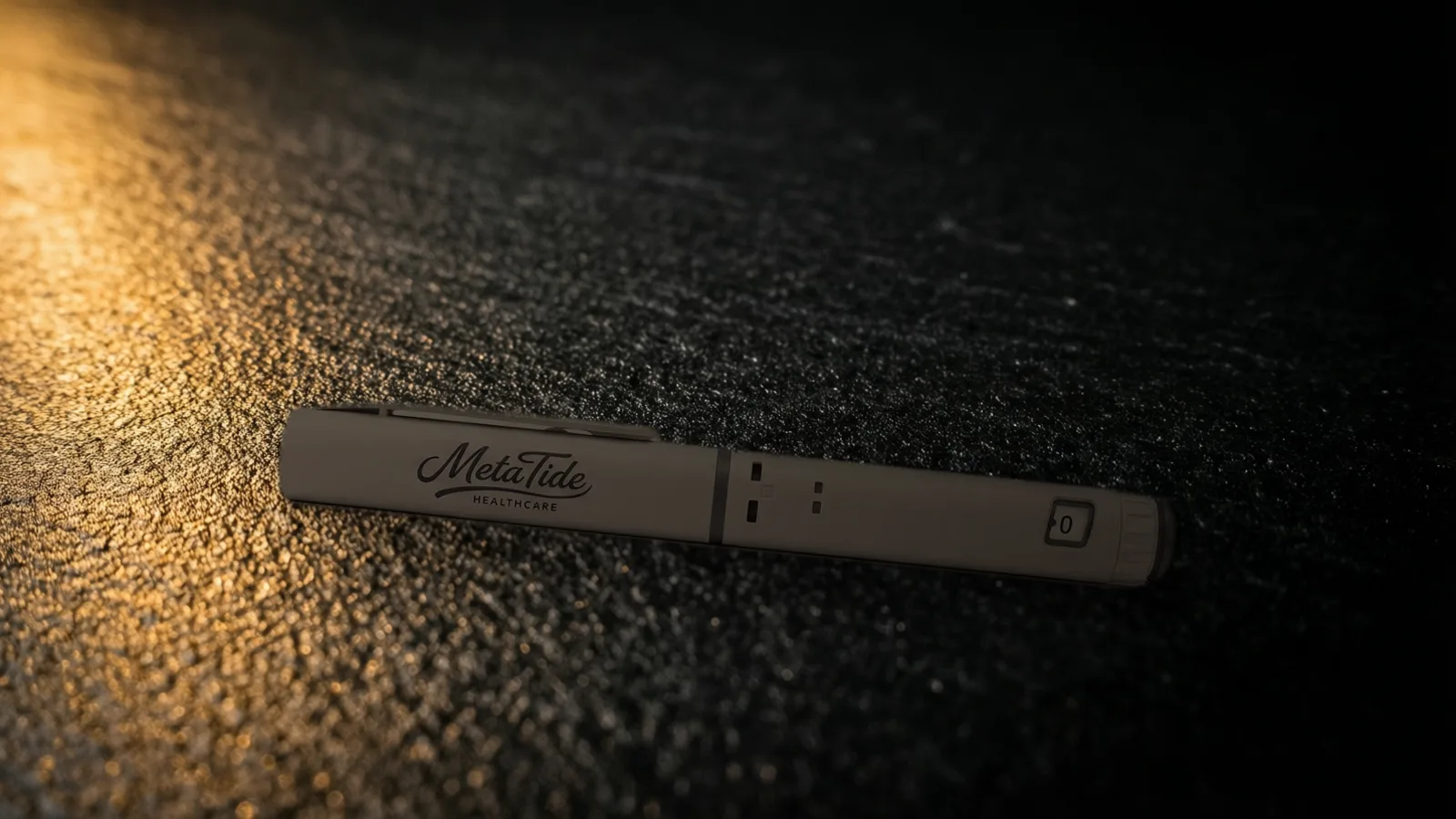
We group compounds into sets for specific uses. BPC-157 and TB-500 are paired for tendons, ligaments, and the gut lining. Our BPC-157 / TB-500 20mg product is described as a way to signal the repair of worn tissue. The packaging shows the pen format.
Buyers should keep the goals of the study separate. Results from joints do not replace results from the gut. To understand the evidence, you must see which goals were measured in gut studies and which came from joint research.
Joint and gut repair safety needs
When people talk about using BPC-157 for gut and joint repair, some worry that fixing the gut might change how the whole body's immune system works. To answer this, buyers should look at reports on toxicity markers (signs of harm) and general health data from early lab tests.
Summaries show that BPC-157 often helps repair tissues and restore barriers. But, not every dose or disease model has the same safety profile. Buyers should view safety data as specific to each model rather than a general rule.
Documentation is important in 2026. It is easier to compare products that have reliable tests for identity and purity than those with only marketing claims. Our COA (Certificate of Analysis) library and ReadyPep page use independent lab tests for purity and pH. This helps buyers compare different suppliers.
Readers tracking gut-repair evidence often arrive from joint-repair material. They should still check gut-specific endpoints and not carry joint results across.
Skin repair and barrier concepts
People often talk about skin when discussing repair. This is because skin and the gut lining both act as barriers for the body. Research on BPC-157 focuses on the gut. But, buyers often ask about skin because these healing signals can affect many different barriers.
It is helpful to understand barrier endpoints. In some models, the gut barrier is measured by how well the lining repairs itself and stops leaks. The skin barrier is measured by how intact the skin remains. The methods differ, but the way they track repair is similar.
In 2026, product pages and forums often group skin and gut health together as a "repair crew." Buyers who want real evidence should look for specific endpoints instead of general claims about repair.
If a product has several compounds, link each one to evidence for the results you want. For gut repair, look at barrier integrity (how well the gut lining blocks leaks) in gut models. For skin repair, look at integrity and healing in skin models.
How to compare BPC-157 gut repair products
Good research on BPC-157 gut repair does not help if you do not know the product quality. In 2026, the best way to compare sellers is to check the identity and strength using analytical methods. Then, confirm that you can access the testing reports for that specific batch.
Here is how to read the important documents. HPLC (a test to separate chemicals) purity shows how much of the sample is the target compound. Mass spectrometry identity checks if the molecule matches the expected peptide mass and pattern. Content is the amount of active peptide per unit. Purity is the fraction. You need both to know what you are buying.
Our ReadyPep page shows that outside labs test every batch for purity and pH (the measure of how acidic a liquid is). Each lot has two PDF files, one for purity and one for pH. We keep old reports online so you can compare them.
Lot and batch records help track products. In a 2026 standard workflow, the lot ID should match the COA. Comparability drops if a supplier uses only one COA template or gives an average across lots.
Check if independent lab tests use standard methods. Buyers should look for HPLC and mass spectrometry (a way to identify molecules) in the COA. If these are missing or unclear, you cannot verify the BPC-157 identity and content claims.
Multi-dose pens versus vials
When buying BPC-157, it is helpful to know how the product is delivered. This affects how you handle it. We sell BPC-157 / TB-500 20mg in a multidose pen. Our product pages show images of the packaging and explain the difference between a pen and a vial.
For research, the main difference is not the peptide itself. Instead, using a pen can reduce the number of steps needed compared to using a vial. Fewer steps can lower mistakes during preparation. This is important when comparing quality between batches using COA content and pH.
Do not rely on the look of a product when choosing a supplier. Instead, use it only to check for consistency. A COA and independent testing provide the real proof that a batch has the right identity, purity, and content.
The format of your product changes how you should store and organize your records. Pens and vials have different stability needs based on their seals and how long they stay in use. You must still check the cold-chain (temperature-controlled shipping) and storage rules for each specific format.
Visit our How Readypep Works page to learn how to order and choose formats. It explains the process, including pre-filled pens and order support.
Analytical methods and a strong COA
Buyers often ask if HPLC and mass spectrometry are enough. These are key for comparing products. They answer two main questions. Is the product correct, and how much of the sample is the target?
A strong COA also includes lot identification, clear method labeling, and unit reporting. For pH, the buyer is checking whether the solution acidity matches reported standards, because pH affects peptide stability and the formulation characteristics.
Our lab-testing page shows independent checks for purity and pH. We provide two PDFs per lot. This lets buyers confirm the facts quickly without reading unclear summaries.
When you compare suppliers, ask for reports for each specific lot. The easiest way to do this in 2026 is to check if each lot has a COA PDF. You should be able to link, download, and match this file to the batch ID. If the answer is not clear, the buyer cannot confirm what is in that specific product.
Storage, reconstitution, handling and shipping
Even when the analytical results are correct, storage and handling can change performance over time. The main buyer question is whether products are shipped and stored with appropriate temperature controls, whether cold-chain is used, and whether handling steps can degrade peptide integrity.

Using a pen is often easier than mixing a powder from a vial. Buyers should still check how to store the product and if it stays at the right temperature during shipping.
Our site explains how we ship and distribute orders. The shipping page describes what happens while your package is moving. The distribution section explains where products come from and how they reach you.
Customs rules for imports depend on your local laws and how the product is labeled. We do not provide legal advice. You should ask your supplier for the papers needed to clear customs. Keep your shipment records to ensure the lot traceability chain (the history of the product batch) stays intact.
Where BPC-157 fits among stacks and add-ons
We sell BPC-157 products and mixes that combine healing with growth signals and cell energy. Buyers researching gut repair should find which products have BPC-157. They should also see how the plan meets their goals for gut repair.
We offer several plans that combine BPC-157 and TB-500 with items that support collagen, elastin, and mitochondrial energy. Those plans tie recovery to growth-hormone rhythm and cell energy.
Buyers care if BPC-157 is present, but they also need proof that the plan works. Research on BPC-157 for gut repair focuses on healing injuries and fixing the gut barrier in test models. If you have goals for cognition, immunity, or skin, you must check which compounds in the mix have evidence for those specific results.
What the evidence gap means for 2026
In 2026, most research on BPC-157 for gut repair is still preclinical (done in labs or on animals). Reviews show only a few small human pilot studies for specific uses. This limit makes it hard to apply the results to everyone.
This does not mean early test results are useless. Instead, it makes the buyer's job easier. View animal and biological evidence as data that supports a theory. Then, judge product quality using COAs and independent testing. Finally, check if claims match the results reported in the studies.
To check if a product can repair the gut, look for proof that it heals ulcers and improves barrier function (the gut's ability to block harmful substances). Then, make sure the product you buy is correctly identified and tracked by its lot number.
Conclusion
Research on BPC-157 focuses on how it heals the gut. This includes fixing stomach ulcers and the intestinal barrier. Some reports describe faster ulcer healing over a two-week window. Other studies show a 45% drop in intestinal permeability (leaky gut) in colitis models. This healing process also links to the immune system and recovery signals. These links need their own evidence, so gut evidence should be the main focus for gut claims.
In 2026, buyers want proof and facts instead of general promises. We suggest matching lot records to COAs. You should also verify HPLC and mass spectrometry. Finally, check pH reports to ensure the formula is correct. Use our COA library and outside testing as your main process.
When you set clear limits on evidence and check the quality of each batch, research on BPC-157 gut repair becomes a measurable topic. It is no longer just an open claim.
Related reading
Common questions
- What does BPC-157 research examine in the stomach and intestines?
- Research on BPC-157 focuses on how it repairs the gut. Scientists look at how it heals stomach ulcers and fixes the intestinal barrier (the lining that keeps waste out of the body). In early tests, they study how it repairs tissue and stops leaks in the gut during colitis (inflammation of the colon).
- Does BPC-157 research show gut barrier recovery in colitis models?
- Yes. Colitis models are commonly used to evaluate intestinal permeability and barrier restoration, and published summaries describe reductions in intestinal permeability as a barrier-relevant outcome. These are barrier biology endpoints, not symptom-only reports.
- Which analytical tests should appear on a BPC-157 COA?
- To compare products, look for HPLC (a test for purity) reports and mass spectrometry (a test for identity) confirmation. Purity shows how much of the sample is the target. Mass spectrometry confirms if the molecule is the correct peptide.
- How do content and purity differ for BPC-157?
- Purity is the percentage of a sample that is the target compound. Content is the amount of active peptide (a small protein) per unit. Both matter when checking if two lots provide the same amount of the target peptide, even if their purity percentages differ.
- How do pens compare to vials for BPC-157 quality control?
- Every compound we supply ships pre-filled in a sealed multi-dose pen, while the vial is the comparison format used elsewhere in the field. Using a pen can be easier than using a vial. This helps keep the process consistent. It does not replace lab tests. Decisions still depend on lot-matched COAs (certificates of analysis) and independent tests for identity, purity, and pH.
- Why BPC-157 evidence for gut outcomes is limited?
- Only a few small human studies exist for specific medical uses. Because of this, most BPC-157 gut repair research relies on preclinical endpoints (results from animal or cell tests). Buyers should be cautious since these results may not apply to humans. They should look at the measured data from these models when checking claims.