How to spot high-quality repair peptides before the experiment
Repair peptides vary a lot between suppliers. Here are the records and the checks that separate a well-documented lot from a poor one.
ReadyPep Research Desk7 min read

Independent testing keeps finding online peptide products that do not hold the amount of the listed compound. This is a major problem. Any healing result people want depends on the product matching its label.
Key takeaways
| What to check | Why it matters | What "good" looks like |
|---|---|---|
| Independent lab testing for each lot. | It verifies identity and content, not marketing. | You can check lab-testing signals and the associated documentation. |
| HPLC purity versus content. | Purity can be high while content is off. | How to read a certificate of analysis should explain the difference. |
| Mass spectrometry identity confirmation. | Identity confirmation reduces wrong-chemical risk. | Look for identity results, not just purity. |
| Certificate of analysis that matches your lot number. | "Generic COAs" do not validate the specific pen you received. | Use COA reading alongside your lot records. |
| Cold chain and temperature excursion controls. | Degradation changes effective content and purity profiles. | cold-chain in transit should explain what happens during shipping. |
| Packaging that reduces handling error. | Mixing and measuring creates real, avoidable mistakes. | Prefer pre-filled peptide pens that remove "mixing and measuring." |
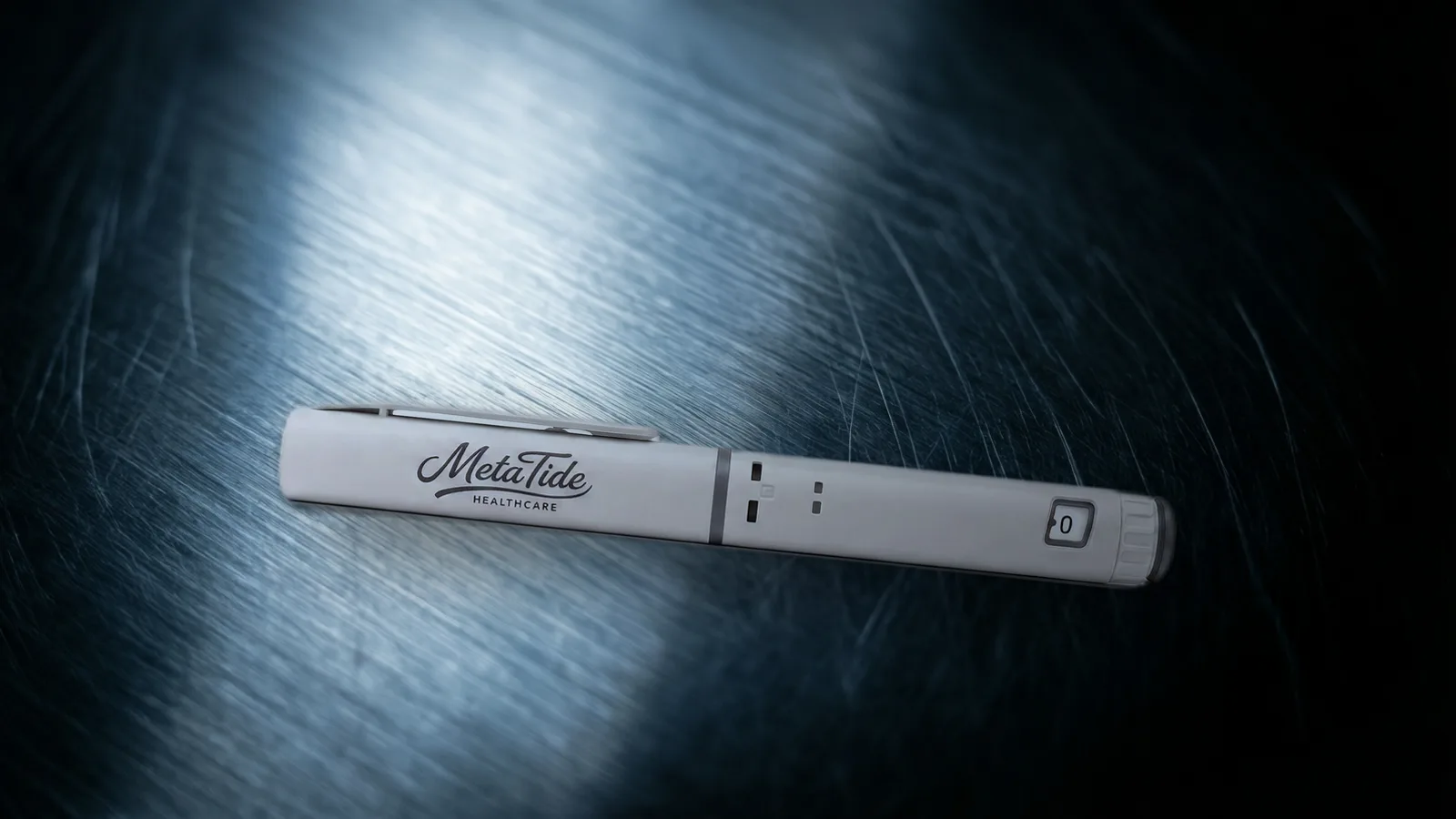
Here is how we do it. We focus on what buyers want in 2026. This includes lab proof, lot-level records, and the shipping methods that keep repair peptides (small proteins) stable from the warehouse to the lab. This is for research use and is not medical advice.
Spot high-quality repair peptides with batch proof
Good sellers treat products like lab material. They provide lot-level traceability and independent laboratory verification (proof from an outside lab). If a seller only uses marketing text, you cannot be sure the pen has the right amount of the listed compound.

Check if a supplier gives a certificate of analysis (a document proving a product's quality) for the exact lot number. A general reference sheet is not enough. They should also explain how they test their products. You can see our process by reading how we make, test and ship, then looking at our lab-testing.
This is important because it explains why many buyers get products from loose supply chains instead of strict pharmaceutical manufacturers. In a broad market, you should expect more errors in labels and identity checks. Testing for each batch may also be inconsistent.
Why your COA must show purity and content
Buyers often look for purity first because it is easy to find on a report. But, the more important difference is purity versus content. Purity shows what part of the sample is the intended chemical. Content shows how much active material is there compared to the amount on the label.

A good COA (certificate of analysis) should prove both. Many suppliers use HPLC (a way to separate chemicals) to test purity. These reports may show a graph or a summary to prove the sample matches the intended compound. To confirm the identity, they often use mass spectrometry (a tool to identify molecules) to verify the chemical.
We use the same idea. Each batch includes papers to help you check the certificate of analysis. For a guide, see our pages on how to read these reports and our testing overview.
How to spot high-quality repair peptides
- Lot number match. The COA and the pen's label should correspond.
- Purity result and method. If it says HPLC, it should include a defined method or clear output fields you can interpret.
- Identity method. If mass spectrometry identity confirmation is listed, it strengthens "is this the right compound" confidence.
- Content and assay. Look for an assay or content measurement, not only a percent purity figure.
These steps stop you from being fooled by a report. A report might show high chromatographic purity (how pure a substance is), but the actual amount in the vial or pen may not match the label.
Judging shipping quality and temperature excursions
A perfect COA is only part of quality. A peptide can break down if it gets too hot or cold during shipping. This changes its stability and strength.

Our article explains what happens to a peptide during shipping. When buying, look for clear details on cold chain handling (keeping products cold) instead of vague promises. A supplier should explain their packing and temperature methods. They should also describe how the shipping process protects the product.
To learn about shipping and what the program covers, start at shipping. Then read the "why us" section to learn about our manufacturer-distributor model. This explains how to trace a lot and who is responsible for testing and fulfillment.
If a supplier offers temperature-controlled shipping, you should understand how customs and imports work. Buyers often look for info on import handling and shipping research materials. These details matter because slow processing or wrong paperwork can risk the product's temperature.
Check if a supplier has a set process by looking for clear shipping terms and tracking. Compare how they describe packaging. See if they mention cold chain shipping (keeping items cold during transport) and how they control the temperature.
Documentation quality is the deciding factor
People often compare costs, especially in 2026 when stacks (groups of peptides) can be expensive. Price alone does not show quality. Independent lab testing, cold chain shipping, and lot-level paperwork all add real cost. A lower price may mean fewer tests or weaker verification, even if the label looks similar.
Compare suppliers using specific evidence. Look for HPLC and chromatography traces. Check for mass spectrometry if they claim it. Make sure they are clear about content versus purity. Check if they test for endotoxins (toxins from bacteria), sterility, and other release tests listed on their pages. These quality rules apply even if a product is for research use only.
This talk about rules matters in 2026 because people are paying more attention to how peptides are made and shipped. But, this does not replace checking each batch.
Audit our logistics and quality system
We do this using documentation pages and lab-testing overviews. Our product pages also list what is included and which lab certificates come with each lot.
Our media and team pages show how we make and handle our products. You can see our lab and team in the photos. Other details are on the documentation and shipping pages.
For more details on our process, visit the Observatory blog. It has guides on reading a COA and shipping risks. Start at the ReadyPep blog, then read the posts mentioned above.
You can use our category pages for repair peptides and GH axis (growth hormone) items to choose a product. Then, check the documents on each product page. This is the fastest way to compare the quality of many different repair peptides.
Related reading
Common questions
- What high-quality repair peptides actually mean?
- By 2026, high-quality repair peptides should have a certificate of analysis. This lets you check the identity and amount in each batch. It should use clear methods like HPLC (a way to test purity) and chromatography traces. Mass spectrometry (a tool to confirm identity) should also be used when possible. Suppliers must explain cold chain shipping. They should say how they handle temperature changes during travel. This ensures the peptides stay stable and last longer before they arrive.
- How to read a certificate of analysis?
- Focus on purity versus content, and confirm the COA matches the exact lot number on your package. Look for HPLC purity testing results and chromatography trace details as well as identity confirmation fields like mass spectrometry identity confirmation, then verify the assay or content number is reported, not only percent purity.
- Why buyers compare pens and vials?
- Pens are often better than vials because they remove the need to mix and measure liquids. This reduces the chance of mistakes. Pre-filled pens and multi-dose research pens also make handling more consistent. This is important when using several compounds together in a glow stack or other peptide stacks and protocols.
- Do repair peptides require lab testing proof?
- Yes. It is vital to check that GHK-Cu copper peptide and thymosin alpha-1 are pure and correct. This is because healing and immune system control depend on the product having the right strength. Buyers should look for a certificate of analysis. They should also find clear proof of testing from an independent lab.
- What should buyers check about a supplier's cold chain shipping?
- Check if the company uses cold chain shipping (keeping items cold during transport). See how they stop temperature changes and how they handle international shipping. Also, check if they explain how to store, mix, and handle the materials in the lab. Make sure these steps match the product form.