Kisspeptin research supply: what to ask for in certificates and testing
In kisspeptin research, the same label can refer to different peptide fragments (small chains of amino acids).
ReadyPep Research Desk14 min read

In kisspeptin research, the same label can refer to different peptide fragments (small chains of amino acids). This change affects what your biology assays can detect. Kisspeptin peptides belong to the RF amide peptide family. They have a specific Arg-Phe-NH2 motif (a repeating pattern of molecules).
Key takeaways
| What to verify in kisspeptin research supply documentation | What it covers in the lab workflow |
|---|---|
| Peptide identity, not just "purity". | Supports mass spectrometry identity confirmation against the intended sequence. |
| HPLC purity testing and the chromatography trace. | Shows purity versus content, and whether the chromatogram matches what you expect for the fragment you ordered. |
| Endotoxin and sterility testing. | Supports research use only compliance by reducing risks from contamination in sensitive in vitro work. |
| lot testing and batch records. | Connects the documentation to the exact production lot you received. |
| cold chain shipping and temperature excursion in transit documentation. | Helps you manage peptide stability and shelf life concerns, especially for reconstitution and laboratory handling. |
| Packaging that prevents handling variability. | Pre-filled peptide pens reduce the number of laboratory handling steps compared with vials, which matters for reconstitution and laboratory handling. |
- Use our guide on how to read a certificate of analysis to interpret certificate of analysis fields consistently.
- Check shipping claims against cold-chain (temperature-controlled) records. This is necessary because temperature affects how long peptides stay stable and usable.
- When you compare suppliers, treat analytical methods as part of supplier due diligence, not marketing.
- If you want the full catalogue context for peptides beyond kisspeptin, start with our peptide products.
What kisspeptin is and why fragments matter
Researchers study kisspeptin because it starts the signal chain for reproductive hormones. It binds to the kisspeptin receptor (GPR54). This triggers phospholipase C, which releases calcium inside the cell and activates protein kinase C. Because of how this receptor works, buyers view supply documents as proof of function rather than just paperwork.
The general idea of kisspeptin (a hormone that triggers reproduction) varies by fragment. The most common form in human blood is kisspeptin-54. This can break down into peptides of 14, 13, and 10 amino acids. If a project goal depends on kisspeptin-10 instead of a longer piece, your records must state which peptide you got. They should also list the test used to prove its identity.
The peptide fragment affects how tests work. Because of this, supply papers must match the expected type and sequence. Kisspeptin research papers should show both identity and purity tests. They should include a chromatography trace (a graph showing chemical purity) that you can check against your own needs.
Linking kisspeptin documentation to measured endpoints
When buyers check kisspeptin research papers, they need to know if the supplier's data matches the biological results. One study with 15 healthy men used a single-blind, placebo-controlled method. These results only happen if the peptide is correct and works with the body's receptors.
Records of how the compound is administered also matter. In the same study, a steady drip of kisspeptin-10 at 180 nmol/h for 5 days kept testosterone levels high. But, gonadotropin (hormones that trigger sex organs) levels stayed the same as the placebo. This gap between the two hormone readings is why buyers want consistent testing and records for each batch of material used in a study.
One study looked at longer exposure. This kept gonadotropins high, with a mean LH increase compared to the control. After 12 days, a kisspeptin-10 bolus (1 nmol/kg) still caused these hormones to rise. This shows the receptors still worked during that time. These results show why vague language is not enough for studies tracking hormone changes over time.
How to read a kisspeptin certificate of analysis
A certificate of analysis makes the paperwork for kisspeptin research useful. Buyers look for three things: identity, purity, and contamination controls. They then check that each report matches the batch records for the exact material they received.
Begin with HPLC (a test to check purity) and the chromatography trace. Buyers should check that the papers show the method used, usually reverse-phase HPLC. The trace should match the expected pattern for the kisspeptin fragment. Clear language is important because purity and content are different. This is true if a sample has impurities that move together or includes related species.
Next is mass spectrometry (a way to identify chemicals). The records should show results that match the intended peptide sequence and mass profile for the kisspeptin variant. Fragment lengths for kisspeptin can vary by use. This check ensures the lab has the exact product that was ordered.
Documents should include proof from an outside lab (a certified third party) to verify the product. They must also show tests for sterility and endotoxins (toxins from bacteria). Buyers often ask for LAL (a specific test for bacterial toxins) results. This is because these toxins can ruin sensitive tests.
To learn how to read a certificate of analysis (a document showing a product's test results), follow our guide. For more details on how we test, read our lab testing overview.
Analytical methods in 2026 and buyer questions
By 2026, labs and suppliers should provide more than just a purity percentage. One industry report explains how they use reverse-phase HPLC to measure purity. They use mass spectrometry to confirm the molecule is correct. A Limulus Amebocyte Lysate (LAL) assay checks for bacterial toxins. The report sets a purity goal of at least 99 percent. Even if your project does not need that exact level, these documents show what research-grade evidence looks like.
That same documentation framework is why kisspeptin research supply documentation should address "purity versus content" explicitly. Purity percentages generally come from the chromatographic method, while content or identity confirmation comes from mass spectrometry identity confirmation. When these two line up for the intended kisspeptin fragment, buyers can connect documentation to the mechanism pathway and the measured hormone endpoints reported in the research literature.
When picking a supplier, check if they use a quality system or a third party lab. One 2026 report says screening is done by an independent lab with ISO/IEC 17025 (a global standard for testing labs). Documented proof from these labs helps buyers compare batches over time.
Handling, storage, and cold chain documentation
Even if a certificate has the right chromatograms (visual data charts) and spectra, documentation for kisspeptin research supplies should also list shipping conditions. It must cover peptide stability and shelf life. Peptides are sensitive to how they are stored and mixed. Differences in handling can change lab results, even if the original material was correct.
At this stage, buyers often want documents about cold chain shipping (keeping products cold during transport) and temperature changes during delivery. This matters for lab work because it affects how products are mixed and handled. This is especially true when the work needs steady hormone-signaling results.
To learn how we keep research materials cold during delivery, see our cold-chain in transit guide. You can also find shipping details on our shipping overview page.
Packaging design also affects quality. Fewer steps to open and close a container mean less handling in the lab. This reduces the risk of moisture and temperature damage. For this reason, many teams compare pre-filled peptide pens to vials to see how they change the workflow.
Peptide pens versus vials
Kisspeptin studies often depend on how the material is delivered. We use pre-filled peptide pens. These include a dial-an-aliquot (a tool to select a specific dose) pen to help the lab prepare the material in a standard way. This is different from using vials. Vials may require more mixing and handling, which can lead to inconsistent results.

Buyers usually check three things when comparing formats. First, they see if the batch record and certificate match the pre-filled peptide pens. Second, they check if the labels help them track items from delivery to storage. Third, they look for packaging that keeps the peptides stable and lasts longer. This also reduces the steps needed for reconstitution (mixing a powder into a liquid) and lab work.
To explain how suppliers handle operations and paperwork, we link to how ReadyPep works. Buyers must understand how the system creates documents based on lot and batch records.
When labs create study steps they can repeat, clear formats are as important as the results. Consistency over time depends on both the molecule and how it is handled.
Kisspeptin research supply and peptide stacks
Buyers rarely buy just one peptide. Research teams compare kisspeptin documentation across a catalogue. This helps them keep testing and shipping consistent for different targets. Our catalogue includes kisspeptin and other peptides used to study tissue repair, recovery after training, and cellular energy. We also offer peptides for studying the immune system, joint and gut repair, and skin.
The product page shows lab certificates. It comes in a pre-filled, multidose pen (a pen that allows several doses) with extra parts. Some teams add a bundle like Spark, which mixes kisspeptin with CJC-1295. In these cases, buyers want lot testing and batch records that match every part.
That bundle combines Kisspeptin 10mg and CJC-1295 10mg. Researchers often study this pair because CJC-1295 is a growth hormone secretagogue (a substance that triggers growth hormone release) that changes how the body signals for that hormone. Our catalog also has other research peptides. These include ipamorelin and tesamorelin, thymosin alpha-1 for immune research, and MOTS-c for mitochondrial (cell energy) research.
When buyers ask about peptide stacks and protocols, they usually mean a plan using several compounds instead of just one. This means each part needs its own certificate of analysis, lot testing, and batch records. Each part also needs its own shipping and storage history. A study using a stack can fail even if one part is correct. This happens because how cells react depends on the identity, purity, and storage of every peptide.
We provide documents to help you compare our products. For tissue repair and recovery after training, we offer BPC-157 and TB-500. Our catalog includes BPC-157 20mg and TB-500 20mg. Teams often use both together when they need tissue repair and general recovery.
We also sell Selank 10mg and Semax 10mg for studies on memory, mood, and thinking. Buyers often use these in groups of peptides. This helps them keep their data consistent when testing focus and stress in controlled research.
We also list ipamorelin and tesamorelin in our catalog for growth hormone research. Research teams use peptides like tesamorelin to study how to stimulate the growth hormone secretagogue axis.
We offer NAD+ 1000mg, MOTS-c, and GHK-Cu for cell energy and mitochondrial function. Researchers use these for energy metabolism and mitochondrial derived peptides. Proper documentation is still vital. This is because purity tests, sterility, and cold storage affect the results of cell assays (tests on cells).
Researchers studying the immune system and skin need proof that each batch is sterile and free of endotoxins. This ensures that contamination does not ruin their cell tests. We provide this documentation for our products, including Thymosin alpha-1 and GHK-Cu.
Independent testing, certifications and supplier due diligence
Research papers for Kisspeptin should help you prove that tests are real and can be repeated. The best records explain lab methods and describe any outside help. They also link results to the specific lot you bought.
Our transparency pages show our certifications and why you should choose us. These pages help suppliers check our quality. They show how we handle paperwork and follow rules for research use only products.
Teams should also check the rules for products meant for research use only. This helps with buyer paperwork by clarifying how the documents should be used in research.
When comparing peptide suppliers, focus on the details instead of their general claims. Look for clear proof of HPLC and the chromatography trace. Check for mass spectrometry, endotoxin and sterility testing, and batch records. Finally, ensure they managed cold chain shipping and temperature changes during transit.
Common pitfalls in kisspeptin research documentation
We see the same problems in every project. First, the paperwork does not match. The certificate shows results for one product, but the shipping label shows a different fragment. Second, the reports are incomplete. A certificate might list a purity number, but it lacks the detail to show purity versus content. It may also miss a chromatography trace for teams to review.

Third is poor tracking. If a buyer cannot link papers to the exact lot testing and batch records, it is hard to know if the biological result came from that material. Fourth are gaps in shipping papers. These gaps mean there is no proof of cold chain shipping or temperature changes during travel to support claims about shelf life and stability.
Teams may face problems if the packaging does not match what the lab expects. Variability can increase if a study needs multi-dose research pens, but the lab gets vials that require extra mixing and handling. This is why our guides explain how to compare peptide suppliers by looking at pre-filled pens versus vials.
Kisspeptin in peptide research workflows
People studying tissue repair and recovery often use BPC-157 and TB-500 together. Many lab catalogs sell this pair for research on healing. It is often used in projects about hormone signaling where timing and results must be consistent.
Researchers often use NAD+ and MOTS-c together to study cell energy and mitochondria (the powerhouses of cells). Using them together helps make the results easier to compare. In studies on the immune system and skin, thymosin alpha-1 and GHK-Cu copper peptide are sometimes used together to target multiple goals.
Selank and semax are often grouped together when discussing memory, mood, and brain function, even if the tests used are different. For this reason, you should check the records for kisspeptin along with other compounds. A study is only valid if all materials are pure and correctly identified.
If you are buying materials for growth hormone research, the same rules apply to GHRH analogues and growth hormone secretagogues. When a project uses CJC-1295, tesamorelin, ipamorelin, or a mix of these, you still need the same proof. This includes identity confirmation, lot testing, batch records, and tests for sterility and endotoxins. You also need proof of cold chain shipping.
We post updates on our blog to show how these items fit into our catalogue. We also have a products section where you can browse peptides (small proteins).
Shipping, customs and import documentation
Kisspeptin research records are not complete without shipping and delivery details. When buying research materials from abroad, buyers need clear customs and import info. This helps the lab prepare for the delivery. It also lets them check the packaging and store the materials right away.
We focus on cold chain shipping. We also track how materials are handled from shipping to delivery. This includes how we manage temperature changes during transit. We ensure peptide stability and shelf life are protected. This helps with reconstitution and lab handling.
Visit our shipping page for delivery details. See the why us page to learn about our internal processes. For general support, our FAQ helps teams answer documentation questions quickly.
Conclusion
For kisspeptin research in 2026, buyers need clear records of how a product was made and handled. Research shows that kisspeptin-10 causes measurable hormone effects. This makes proof of purity and identity vital for a valid study. Teams can better compare results over time when certificates show HPLC purity tests with traces. They also need mass spectrometry confirmation, sterility tests, and batch records. Documentation becomes a tool for control when it tracks cold chain shipping and temperature changes. This is easier when using a consistent format like pre-filled peptide pens and multi-dose research pen workflows.
Related reading
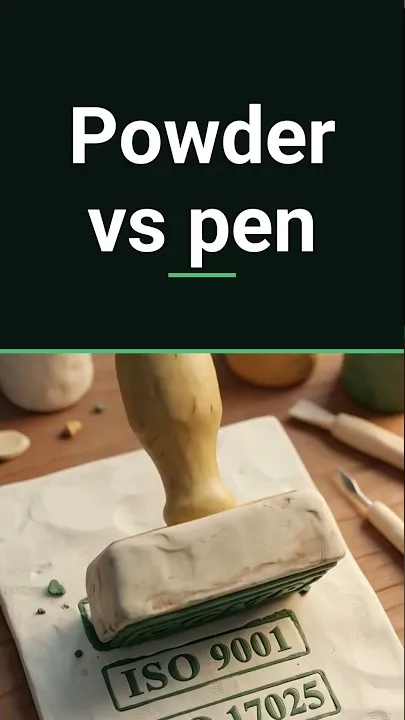 Related videoMost Peptide Vendors Ship Powder. We Don't.Watch on the ReadyPep YouTube channel
Common questions
- What kisspeptin research documentation includes?
- Kisspeptin research supply documentation should cover more than a purity percentage, it should include HPLC purity testing plus the chromatography trace, mass spectrometry identity confirmation, and endotoxin and sterility testing where relevant. It should also show purity versus content context, so labs can interpret what the numbers mean for their assays.
- How do you read a kisspeptin certificate of analysis?
- First, check the HPLC (a test to see if a substance is pure) purity section. Look at the chromatography trace to see how the product was measured. Next, use mass spectrometry (a way to identify molecules) to confirm the identity. This proves the fragment sequence matches the intended kisspeptin product. Finally, compare how the text describes content versus purity.
- Does cold chain shipping documentation matter?
- Peptides stay stable and last longer based on how they are stored and the temperatures they face. This affects how they are mixed and handled in the lab. Teams should check for cold chain shipping (temperature-controlled transport) and records of any temperature changes during transit. This helps them manage risks after the items arrive.
- How do peptide pens compare to vials for lab handling?
- Peptide pens that are pre-filled or hold multiple doses often have fewer transfer steps. This changes how errors in mixing (reconstitution) or lab handling can affect experiments. Records should still match the batch tests and the pen format. This lets the lab track the exact material used.
- Which analytical methods confirm kisspeptin identity?
- Most buyers want HPLC (a test for purity) and a chromatography trace. They also want mass spectrometry to confirm the molecule matches its sequence. Many suppliers include LAL endotoxin checks in their sterility reports.
- How can you compare kisspeptin suppliers by documentation quality?
- You can better compare suppliers if kisspeptin research documents include clear certificates of analysis (reports showing a product's purity), lot testing, and batch records. Look for third party lab testing or independent verification details. For international shipping, compare how they handle cold chain shipping (keeping items cold during transport) and customs.