Septum integrity in multi-dose research containers
You open a multi-dose container to take out small portions for work, then store the rest.
ReadyPep Research Desk12 min read
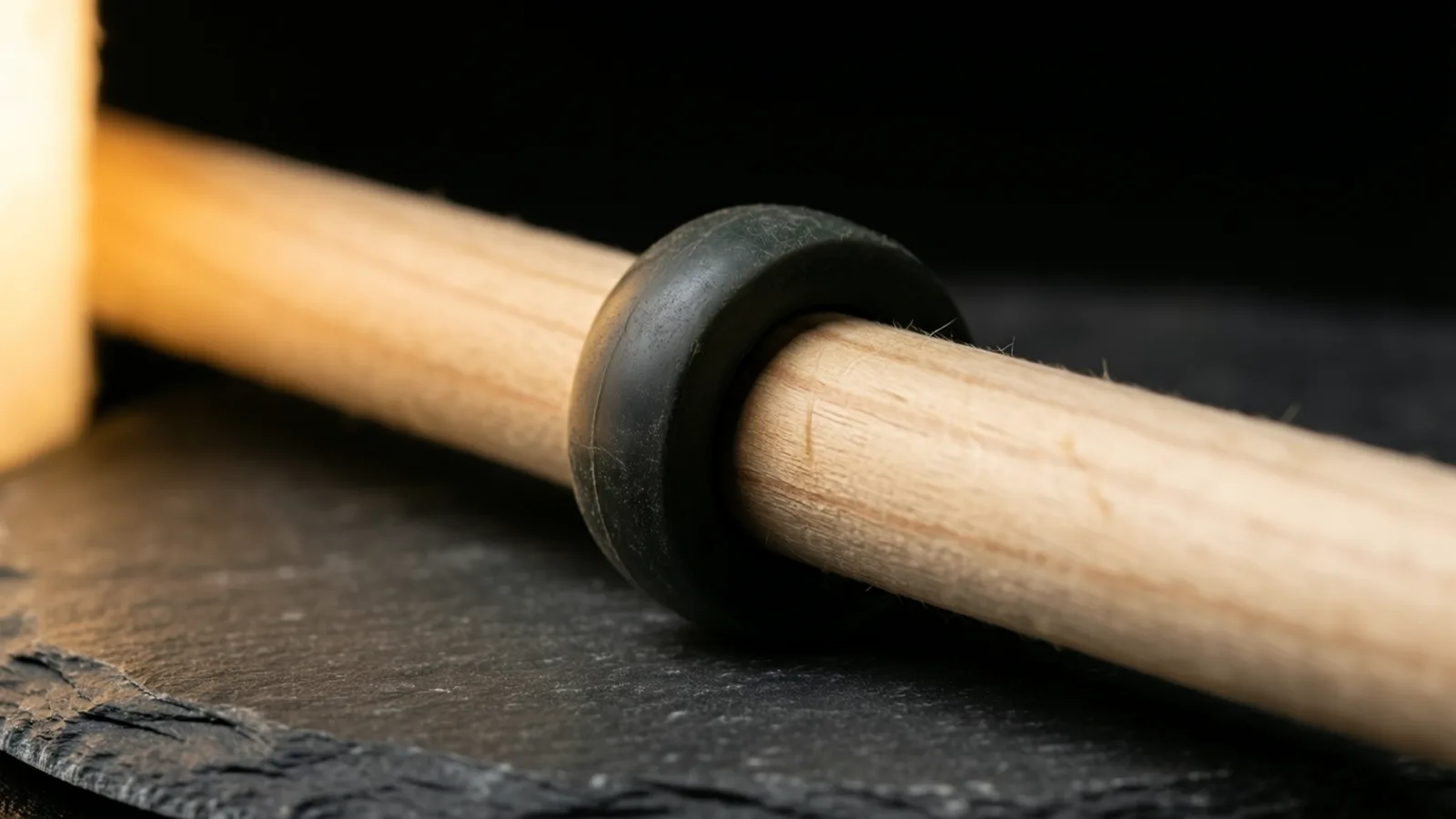
You open a multi-dose container to take out small portions for work, then store the rest. If the seal on these research containers fails, the barrier can lose its ability to keep things sterile and chemically protected. Seal failures are a recognised cause of container and product recalls, so the barrier deserves close attention.
Key takeaways
| What to protect | The septum barrier during needle puncture, storage, and repeat sampling. |
|---|---|
| Why pens differ from vials | Pens are built for repeat access, with a design that aims to limit leakage risk. |
| What documents to read | Certificate of analysis and lot testing and batch records for identity and contamination controls. |
| How labs verify content | HPLC purity testing plus mass spectrometry identity confirmation, reported as results not marketing. |
| How supply risk shows up | Cold chain shipping, temperature excursion in transit, and customs and import handling can affect peptide stability and shelf life. |
| How to reduce guessing | Use third party lab testing, and read research use only compliance controls as part of supplier due diligence. |

See how we test and verify peptides for lab methods. Use the guide on reading a certificate of analysis to understand documents. Check pre-filled pens versus vials for container format context.
What septum integrity means
Keeping a multi-dose research container sealed after repeated punctures is called septum integrity. The septum is the rubber barrier under the needle access point. Its job is simple. It must block leaks and keep out particles and microbes.
Repeated needle use stresses the septum. This can cause small tears. The barrier may then fail to stop liquid or air from moving. So, the container design matters just as much as the stored compound.
Multi-dose peptide pens need containers that allow consistent sampling. If the seal weakens, purity results may shift. This shift can mimic a chemistry problem. It is actually a barrier issue.
We view the septum as part of the whole product. We check for impurities and test for endotoxins and sterility when needed. We also choose how the product is handled in the lab. This reduces physical stress after opening.
Pre-filled peptide pens versus vials
Labs often compare these formats as if they are the same. They are not. Pens and vials change how the material is accessed. A pen is designed for repeated needle use through a specific interface. A vial usually requires a needle to pierce a rubber stopper.
That difference matters for septum integrity. Pen interfaces can reduce repeated stopper compression events. They can also standardize the access path, which reduces variability in puncture stress.
The main risk stays the same. Any format can fail if the seal is damaged or handled poorly. This creates new paths for leaks. So we watch the whole process. We look at making it, shipping it cold, and handling it in the lab.
We compare pre-filled pens and vials for teams. We also link to research use only compliance for broader context.
What container testing actually looks like
In 2026, independent checks of containers are more common in quality programs. The goal is to find barrier flaws early. Modern vacuum and other container closure integrity testing can spot very small holes. This supports sterility assurance in controlled workflows.

Peptide pen suppliers should link container barrier checks with chemical release tests. This connection helps ensure a septum issue does not go undetected by a single test.
A strong release package usually includes identity and purity tests. HPLC purity testing measures the target peak against impurities. Mass spectrometry identity confirmation checks if the measured mass matches the labeled peptide mass.
We expect results to include context. Teams should distinguish purity from content. A sample may have high purity but lower total amount. This happens due to losses, sticking to surfaces, or leaks. Conversely, a sample may have good total amount but fail impurity checks.
To see how we describe the test approach, use lab testing and verification and our certifications overview.
Reading certificate of analysis for septum integrity
A certificate of analysis checks more than just chemical purity. It also shows if the packaging and handling stayed under control. Even if the rubber stopper is not tested directly on the page, related release tests help you guess if the container stayed intact.
The goal is to check certificate of analysis fields for repeat access. We look for HPLC purity numbers. Impurity peaks are reported when applicable. We also check mass spectrometry identity confirmation. This is often shown as spectra or method results.
We check the report for contamination controls. This includes endotoxin and sterility tests if they are part of the approved plan. We do not assume every COA has these. We view the COA as a record of what the supplier actually measured.
We link the COA to lot testing and batch records. If a specific lot batch shows out-of-range impurity profiling, that lot should trigger a deeper review of container logs too.
We show you how to read a certificate of analysis. We also explain how we handle multi-dose pens. This covers supply limits and repeat access.
How container integrity affects research outcomes
The rubber stopper matters for more than just keeping germs out. It also affects stability. This can change test results and cause impurities to increase.
Look at repair and post-training recovery studies. BPC-157 and TB-500 are studied for soft-tissue repair and recovery. If barrier performance drops, the observed profile can shift. This can blur interpretation of tissue repair readouts. These readouts depend on intact material.
MOTS-c and NAD+ are studied for their role in cellular energy and mitochondrial function. Mitochondrial measurements can be sensitive to the active part of a compound. If stability drops, tests that depend on concentration may be affected. This is why HPLC purity testing and mass spectrometry identity confirmation are both important.
Tesamorelin and ipamorelin are used in research to study growth hormone signals. The results depend on steady exposure to the full peptide. We do not claim any effects. We only note that keeping the right concentration requires intact containers.
Semax and selank are studied for their effects on thinking, memory, and mood. These studies look at how the central nervous system works. Thymosin alpha-1 is researched for its role in the immune system. In both cases, a break in the septum can alter the chemical makeup of the samples taken.
BPC-157 and GHK-Cu are studied in joint, gut and connective tissue repair models. GHK-Cu is also looked at for skin wounds. The container matters. It changes what reaches the lab.
Labs often design specific peptide combinations and protocols. Yet, they must still draw samples from a container. This makes the seal's condition a key technical factor. It affects many compounds, including CJC-1295 in endocrine axis studies.
Cold chain shipping and temperature excursion
Peptide stability and shelf life are linked to storage conditions. Cold chain shipping is also part of septum integrity, even though septum is a mechanical barrier.
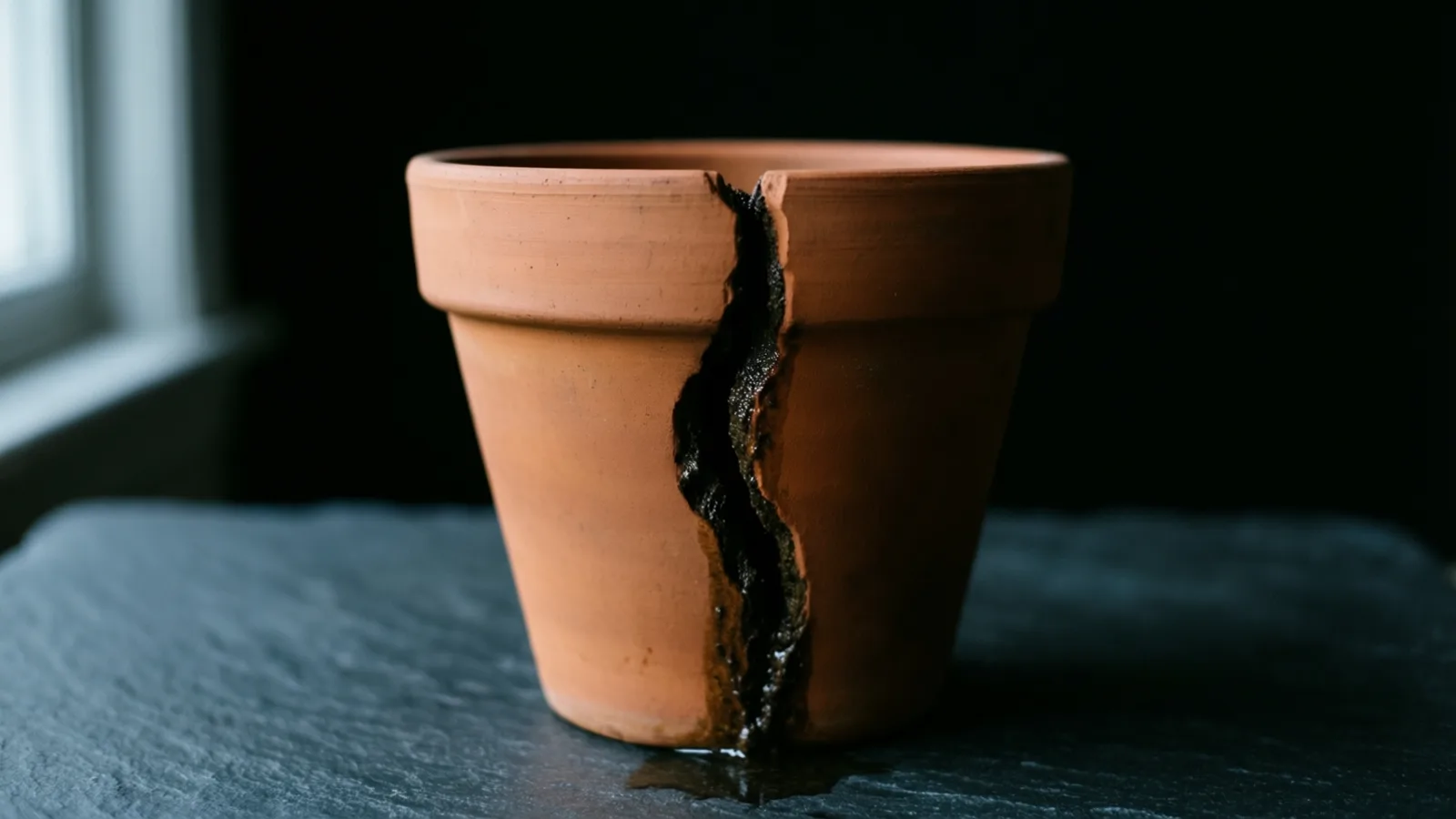
Cold chain shipping exposes the product to temperature changes. If the temperature rises during transit, the product may break down faster. This breakdown can increase impurities, even if the seal stays intact.
Supply programs need documented packaging. They require validated transit times. Shipping controls must be traceable. The plan must cover customs and import handling. Delays can turn a short trip into long heat exposure.
We suggest teams check the shipping details and cold chain records. Use our policy and transit guidelines to understand how the package is handled.
Protecting septum integrity during lab handling
A strong container can still suffer from rough handling. Lab handling is where user actions affect the risk of breakage or contamination.
Plan for controlled access in multi-dose workflows. This reduces strain on the rubber stopper and limits particle exposure. We also stress splitting samples and controlling freeze-thaw cycles when moving compounds to working volumes.
Splitting samples and freezing them matters. Repeated freeze-thaw cycles can break down peptides. This happens even if the seal stays strong. If the seal fails and the contents break down, impurity levels can rise. This can then affect later test results.
Teams must match lab steps to the container design when using pens. This means keeping the access area clean. It also means making as few punctures as possible. Labs should use approved methods for handling samples. These are process controls, not dosing advice.
Lyophilized peptide storage matters for some lines. In multi-dose research containers, we focus on storage after opening. Pen formats need stable, sterile conditions between uses.
We connect our work steps to the records. This shows how our making and packing choices keep access consistent. It also explains our research rules for following the law.
Lot testing and independent lab testing
Lot testing and batch records make quality traceable. We expect these records to link container lot IDs to fill, sealing, and release tests.
Lot tracking helps find the cause of problems in these containers. If one batch has more impurities, the tracking record shows what caused it. It reveals if heat, handling, or the container seal was the issue.
Independent third party lab testing adds an extra layer. It can confirm HPLC purity testing results. It can also run mass spectrometry identity confirmation using a separate instrument and analyst. This helps when labs need confidence in purity versus content reporting.
Comparing batches means comparing test methods. Different chromatography techniques use different rules to measure peaks. This can lead to different results. We suggest using a consistent method for the metrics in your data systems.
We show our certifications and lab test details for supplier checks. For official pages, we explain the process from making the product to handling the pen in the lab.
Comparing suppliers without guessing septum performance
People often ask how to compare peptide suppliers. The main risk is the seal in these containers. We suggest looking at evidence, not opinions.

Check supplier records for container safety and test results. Ask if they test the pen's seal. Also ask if those seal tests link to final product checks.
Check if they report purity and content in an auditable way. This requires HPLC purity testing details for impurity profiling. It also needs mass spectrometry identity confirmation results for identity.
Check the contamination controls. Look for endotoxin and sterility test results if they are provided. See how they handle impurity profiling caused by instability. Finally, review the cold chain shipping records. These should cover temperature changes during transit and timing.
Start with our product pages to compare suppliers. Check the FAQ for documentation rules. Read why our workflow is designed for research use only to understand the process.
Putting it together for research-use stacks
Labs often use peptide stacks to test several biological processes at once. This approach covers areas like repair, energy, cognition, immune signaling, and skin tissue.
In this setup, the strength of the rubber stopper in multi-dose containers matters for everyone. If one pen has a weak seal, it can alter the amount and purity of the compound sampled. This can ruin comparisons between different conditions in a multi-compound sequence.
We list common research peptide types. BPC-157 and TB-500 support tissue repair and recovery. MOTS-c and NAD+ target cellular energy and mitochondria (cell power plants). Tesamorelin and ipamorelin affect the growth hormone system. Semax and selank relate to cognition and mood. Thymosin alpha-1 modulates the immune system. GHK-Cu copper peptide studies focus on joints and skin. Kisspeptin and CJC-1295 involve endocrine signaling.
We focus on container integrity and evidence. We do not give dosing schedules or describe self-administration. Instead, we point out what to check. This includes septum barrier performance signals. It also covers analytical confirmation signals. These matter in 2026 quality programs.
See research use only compliance for the practical policy basis on handling research. Browse our blog for a broader look at how documentation is presented.
Conclusion
The rubber seal in these containers is a key risk for repeated use. It impacts sterility and result stability. In 2026, strong programs link container checks with lab tests. They use HPLC purity testing and mass spectrometry to confirm identity. Results are tied to certificates of analysis, lot testing, and batch records. This logic applies to pre-filled peptide pens for compounds like BPC-157, TB-500, CJC-1295, ipamorelin, tesamorelin, thymosin alpha-1, GHK-Cu copper peptide, MOTS-c, NAD+, semax, selank, and kisspeptin. When we view reconstitution, lab handling, cold chain shipping, and customs as one system, seal integrity becomes a measurable variable rather than an unknown.
Related reading
Common questions
- Septum integrity and peptide purity
- The rubber stopper in multi-dose research containers affects sterility and stability. If it leaks, the sample composition can shift. Impurity levels may rise even if the initial fill was high quality. Labs should combine HPLC purity tests with mass spectrometry identity checks. They should also review purity and content data on the certificate of analysis.
- Pre-filled peptide pens versus vials
- Pre-filled peptide pens are built for repeated use. This means their puncture design differs from vial workflows. The design helps reduce variability in access. This supports steadier sampling conditions. Labs still need controlled handling. They must also document lot testing and batch records.
- What to look for on a certificate of analysis?
- Read the certificate of analysis for HPLC purity values. Check for mass spectrometry identity results. Look for impurity profiling scope. Also check endotoxin and sterility data if provided. Good records link results to lot and batch records. This lets you trace a specific multi-dose research container.
- How temperature excursions show up in testing?
- Shipping at the wrong temperature can break down peptides. This damage shows up as more impurities in HPLC tests. It can also change the pattern of those impurities. If the seal stays tight, the damage is usually chemical. You still need to check both identity and purity.
- Documentation for multi-dose research containers
- We expect shipping documents to show how cold chain controls handle customs and import timing risks. They should explain how temperature changes during transit are managed within set time limits. This evidence connects to peptide stability and shelf life expectations.
- Supplier due diligence for septum integrity
- Check supplier proof, not just descriptions. Ask how they test septum integrity. Ask how third-party labs confirm HPLC purity and mass spectrometry identity. Check if endotoxin and sterility tests exist for each lot. Check for impurity profiles and batch records.